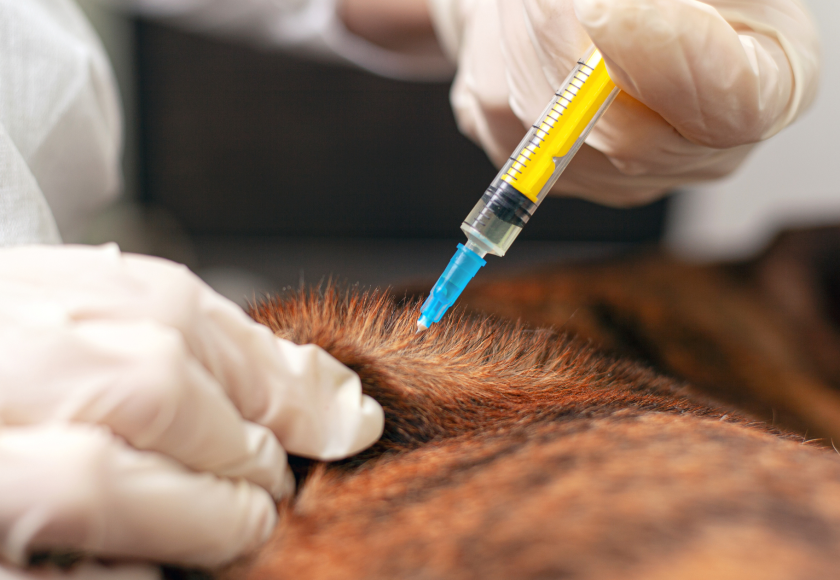


A cat cold is not just a simple cold. If a cat has a runny nose, is sneezing, or has trouble breathing, it often means an infection that may require veterinary treatment. In some cases, a cat’s cold can go away on its own, but if left untreated, it can worsen, lead to complications, and even become life-threatening.
In this article, you’ll learn how to recognize the signs of a cold in cats, how to treat it safely, and when it’s necessary to see a veterinarian.
Cat colds are the second most common nasal condition in cats and account for about 35% of all cases.¹ That’s why it’s important to recognize the symptoms early and know when a cat’s cold requires professional treatment rather than home remedies.
Table of contents
What is a cat cold and why does it occur?
A cat cold is an inflammation of the nasal lining that causes nasal discharge, sneezing, and breathing difficulties.
Most often, a cat develops a cold due to viral infections such as feline rhinotracheitis and feline herpesvirus. It can also be caused by bacteria (Chlamydophila felis, Mycoplasma species, Bordetella bronchiseptica²), fungal infections affecting the respiratory tract, or a weakened immune system.
In some cases, cats have a runny nose due to allergies, foreign objects stuck in the nasal passages, or dental problems.
A cold in a male or female cat is especially dangerous if the animal is young, elderly, or has chronic health conditions.
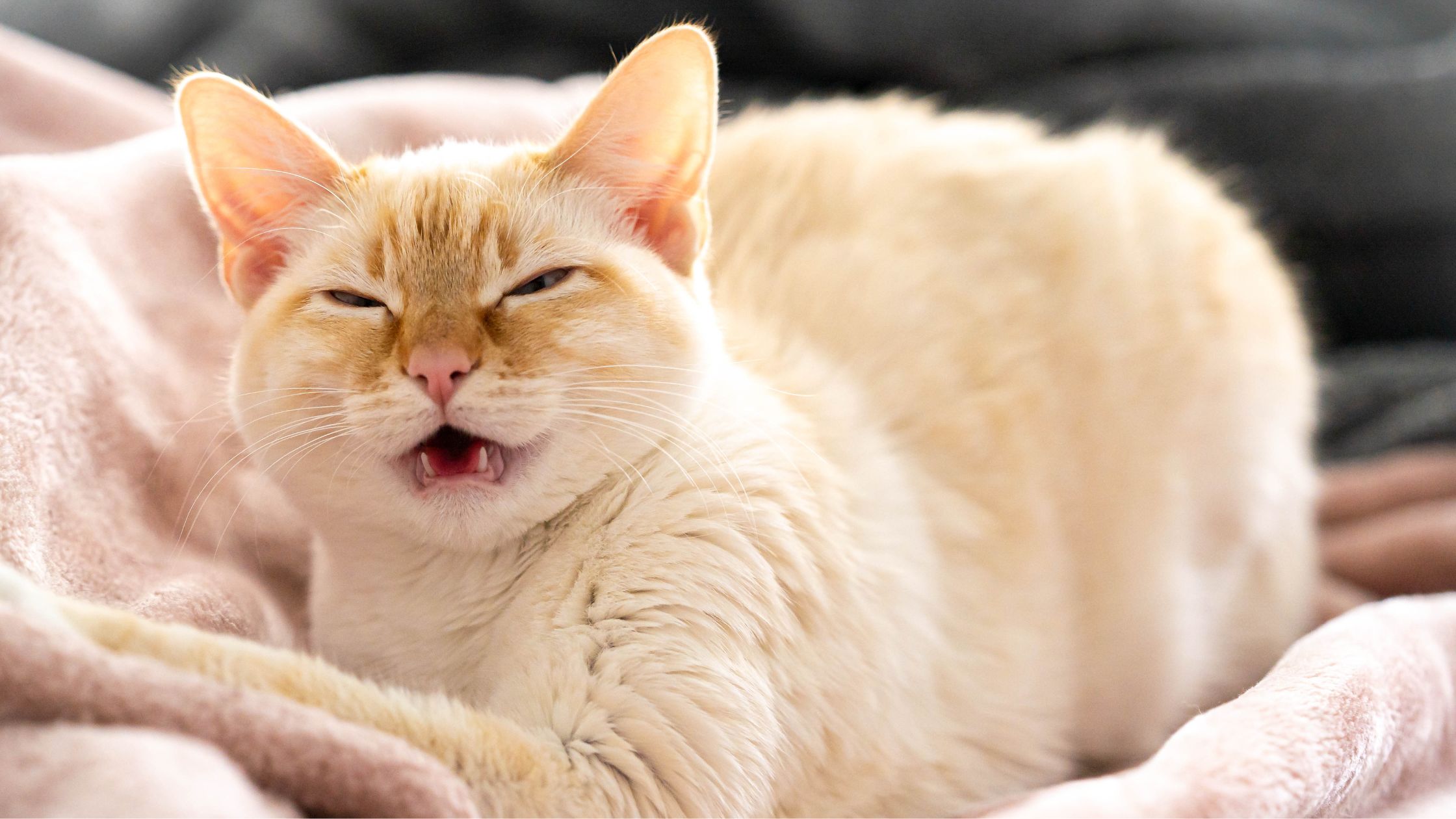
How to recognize a cat cold: the most common symptoms
As with many cat illnesses, if you notice that your cat’s runny nose lasts longer than one day, it’s important to watch for the following additional symptoms:
- Nasal discharge (clear, yellow, or green);
- Frequent sneezing: how many times a day sneezing occurs;
- A blocked nose and breathing through the mouth;
- Watery or pus-like discharge from the eyes;
- Reduced appetite;
- Lethargy and fever.
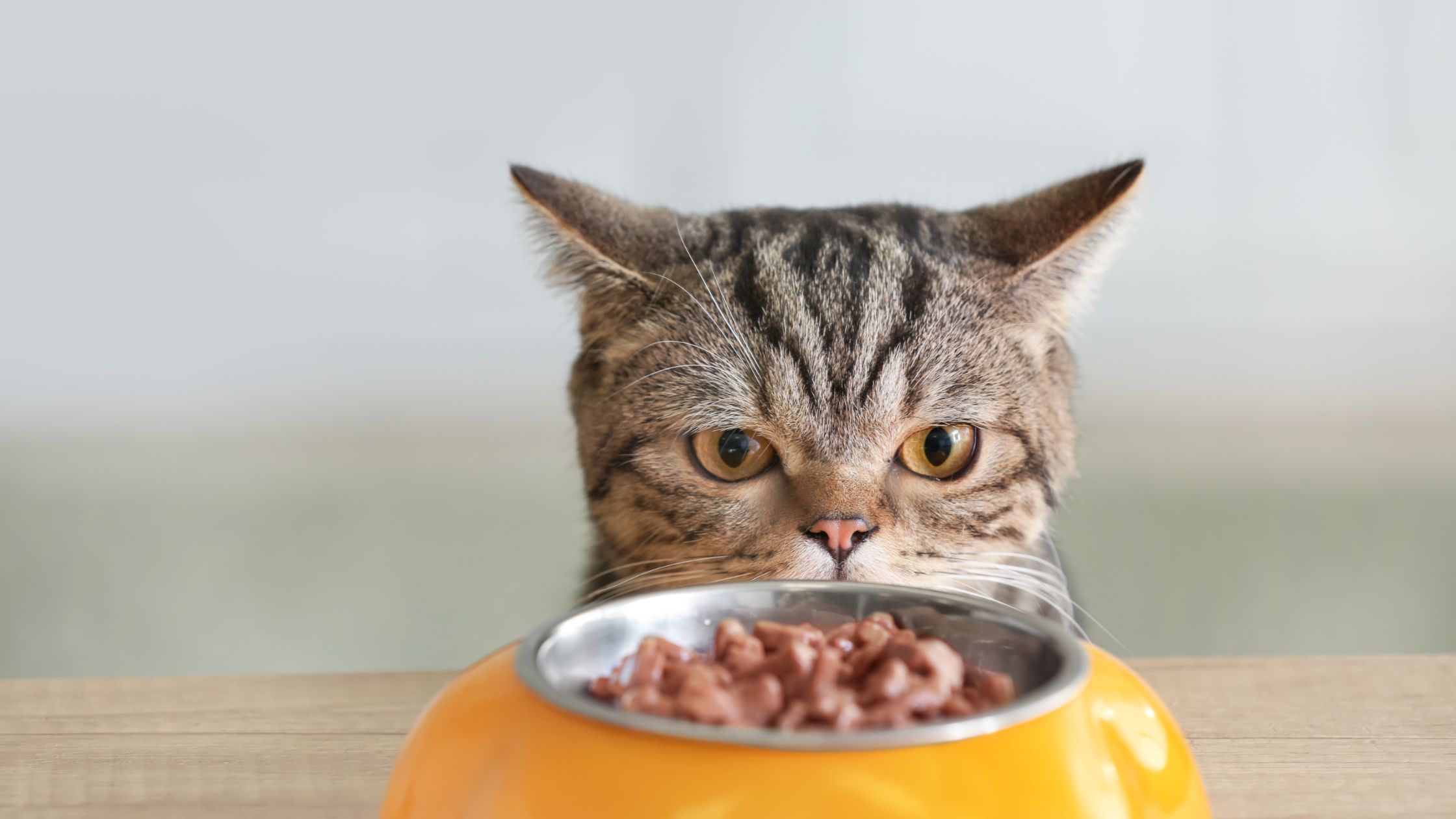
When a cat has a cold, it often becomes lethargic, plays less, and may stop eating because it can’t smell its food.
How to treat a cat cold?
It’s important to understand that treating a cat cold depends on the underlying cause. The same medications do not work in every case, so self-treatment can be dangerous.
What not to do when treating a cat’s cold at home
Although there is plenty of advice online, a cat’s cold should not be treated with medications intended for humans. Never give your cat:
- Human cold or flu medications;
- Antibiotics without a veterinarian’s prescription;
- Essential oils or steam inhalation treatments.
Using the wrong medications to treat a cat’s cold can cause poisoning or make the condition worse. If you’re unsure how to treat a cat’s runny nose, the safest option is a veterinary examination.
How is a cat’s cold treated at a veterinary clinic?
The veterinarian assesses the cat’s overall condition, identifies the cause of the cold, and selects the appropriate treatment. Below are the main ways a cat cold is treated by a professional veterinarian:
- Antibiotics or antiviral medications may be prescribed;
- Anti-inflammatory and supportive treatments are used;
- Nasal cleaning and moisturizing procedures are performed;
- If the animal’s condition is severe, the cat may be hospitalized.
Modern veterinary clinics are equipped with specialized tools that help determine the cause of the cold and assess whether the cat is at risk of complications.
Only after the necessary tests are carried out can the most appropriate treatment be chosen—helping the cat recover faster and reducing the risk of complications.
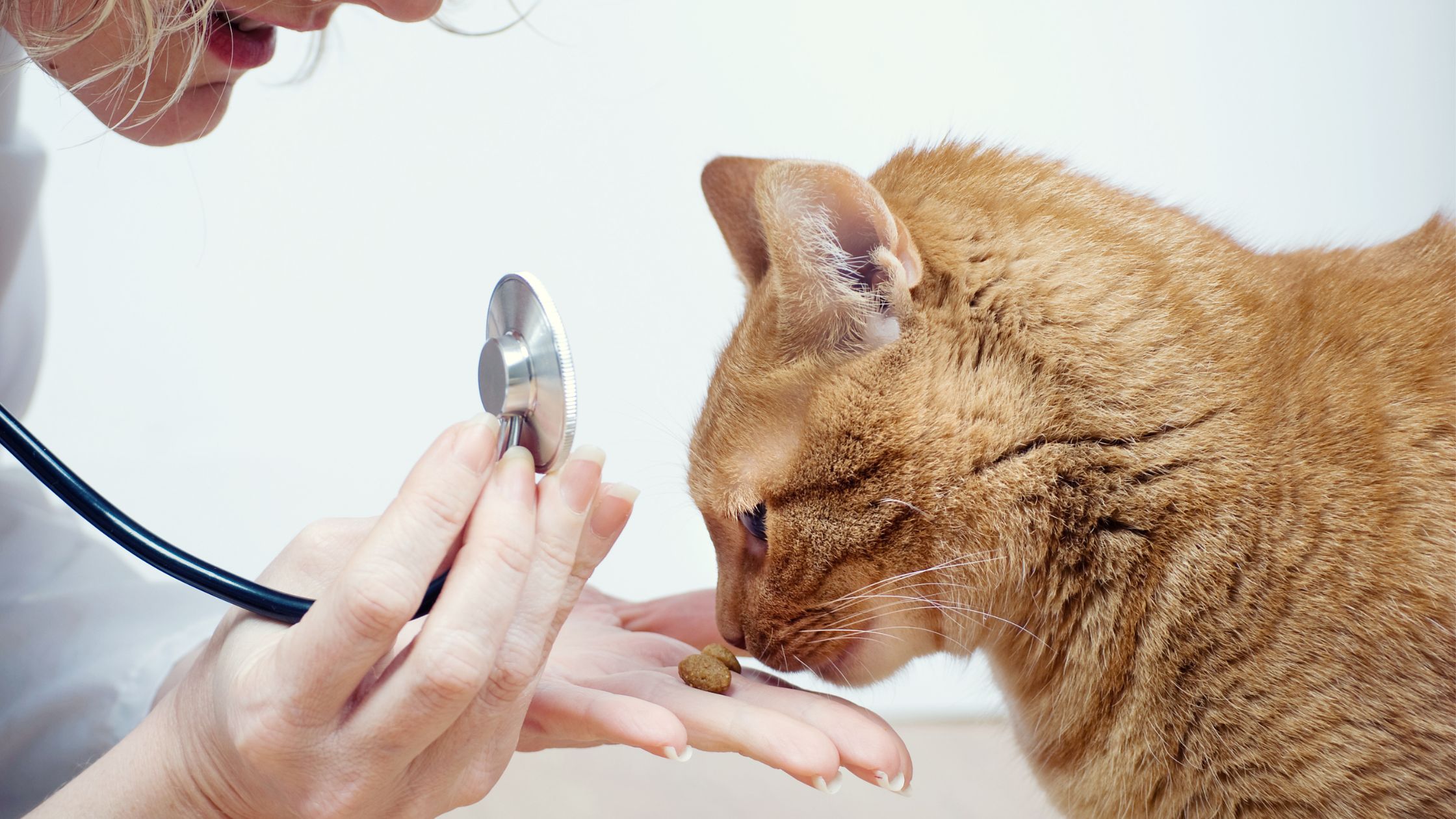
What can you do to prevent a cat’s cold from coming back?
Prevention is very important, especially if your cat has had recurring colds in the past. Proper care helps reduce the risk of a cold coming back and protects your cat’s respiratory system.
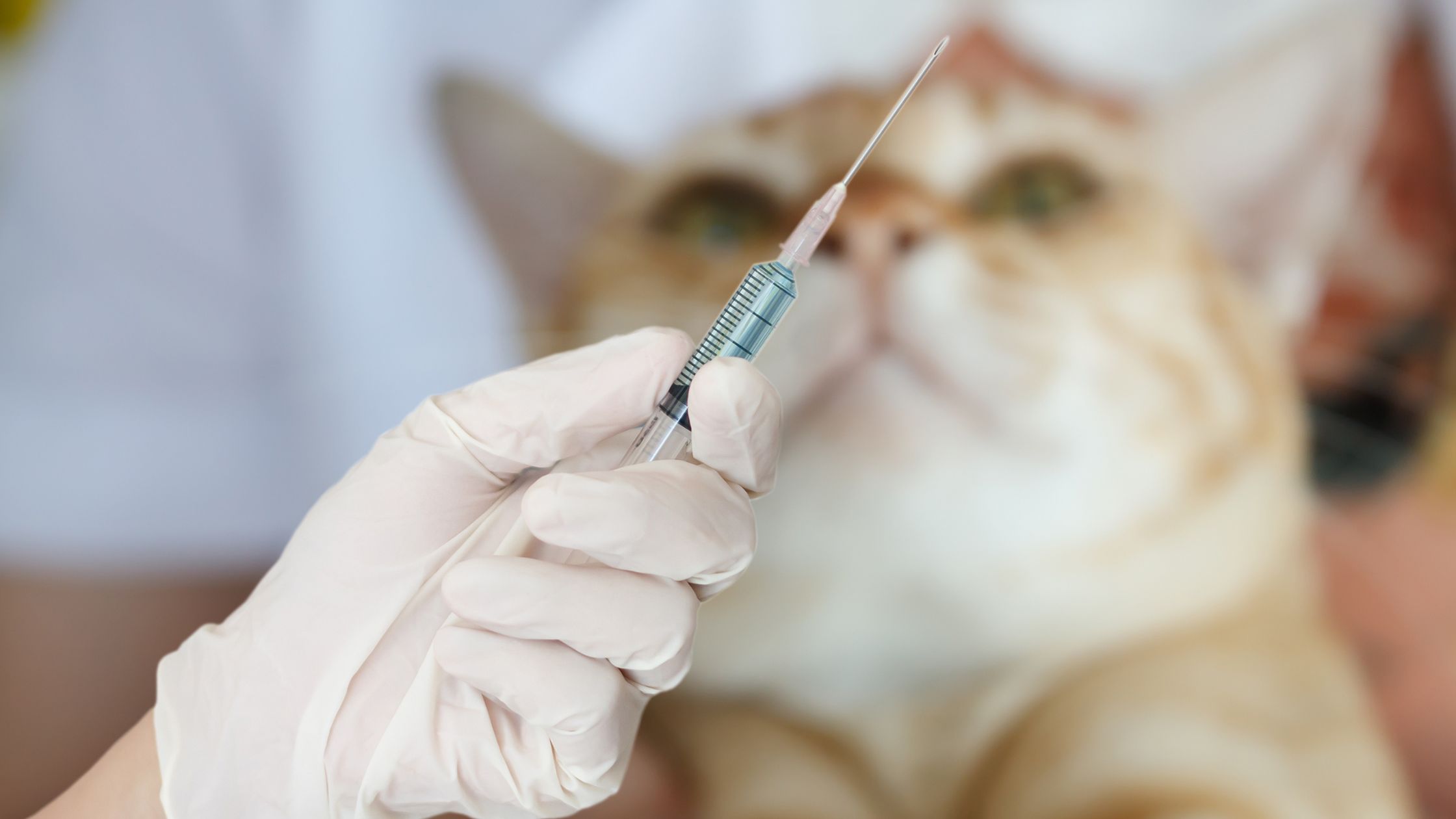
- Vaccination. Regular cat vaccinations help protect against the main viruses that cause colds. Vaccinated cats get sick less often or experience milder forms of illness. Vaccinations also help strengthen the cat’s immune system.
- Strengthening the immune system. It’s important to ensure a complete, balanced diet for your cat, provide enough water, and avoid sudden changes in the environment. Stress weakens the immune system, so a calm routine and a safe environment are especially important.
When is it necessary to see a veterinarian?
Do not delay and contact a veterinarian if you notice any of the following signs:
- The runny nose lasts longer than 2 days;
- Purulent or bloody discharge appears – seek help immediately!
- The cat is not eating, not drinking, or has difficulty breathing;
- The cold keeps coming back frequently in your cat.
Timely veterinary care can save a cat’s life.
Frequently asked questions
Sources:
 Vet. gydytojas Robert