



Cat diseases and their symptoms are something every loving pet owner should be aware of. Although cats may seem strong and independent, they often tend to hide pain or discomfort. That’s why it’s extremely important to notice the first warning signs early.
Cat diseases and their symptoms can appear in many different ways — from behavioral changes (such as aggression) to physical signs like loss of appetite, lethargy, or a decline in coat condition. By understanding the most common cat diseases and their symptoms, we can help prevent more serious health issues and ensure our pet’s well-being.
When illnesses are diagnosed early, they are usually easier and faster to treat, so delaying veterinary care can become costly. Cat diseases should never be treated without professional guidance, as incorrectly chosen medications or dosages may seriously harm your cat’s health.
Table of contents
Common cat diseases and their symptoms
Cats can suffer from a wide range of illnesses that affect different body systems — including the eyes, skin, teeth, ears, kidneys, and digestive tract. Below, let’s take a look at the most common cat diseases and their symptoms.
Eye diseases
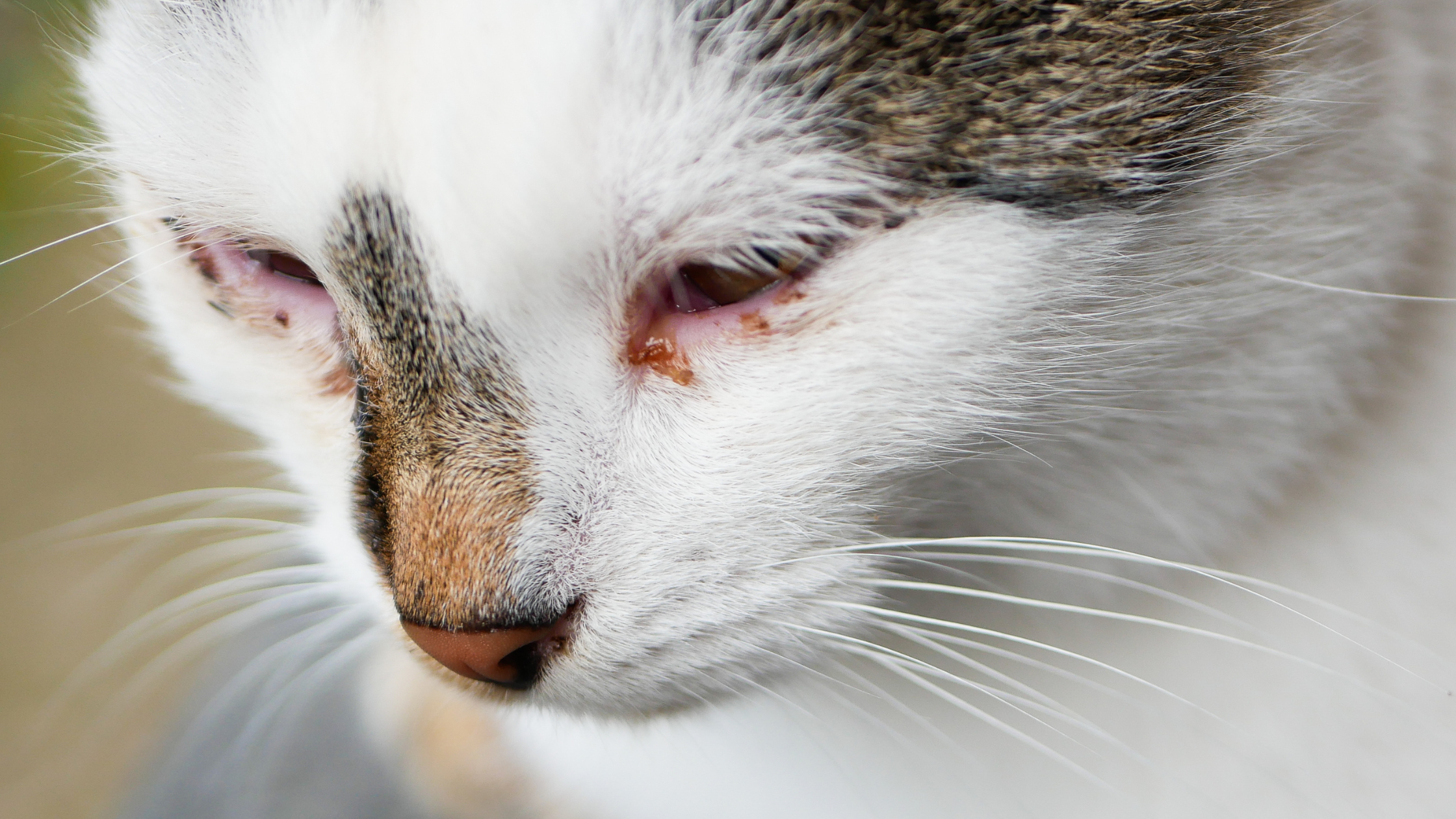
Eye diseases in cats often present with eye discharge, redness, excessive tearing, itching, or sensitivity to light. The causes may vary and include viral or bacterial infections, allergies, injuries, or foreign objects in the eye. If left untreated, eye conditions can lead to vision loss.
Skin diseases
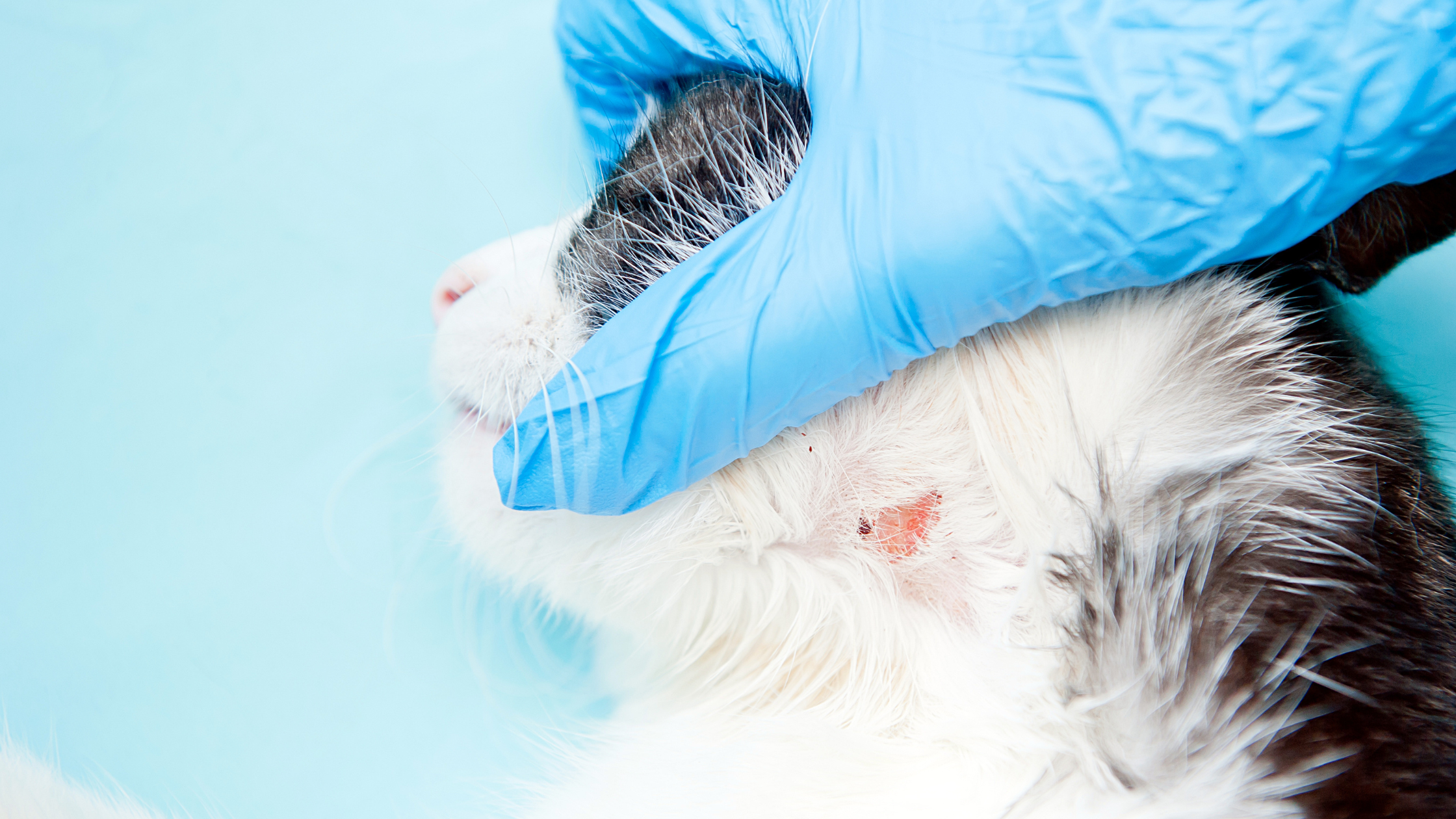
Skin problems are among the most common health issues in cats. Itching, hair loss, sores, dandruff, or redness are all clear signs that something may be wrong.
The causes of feline skin diseases can also vary greatly, including parasites such as fleas or mites, fungal or bacterial infections, and allergies to food or environmental factors. Early treatment helps restore skin health quickly and reduces discomfort.
Dental and oral diseases
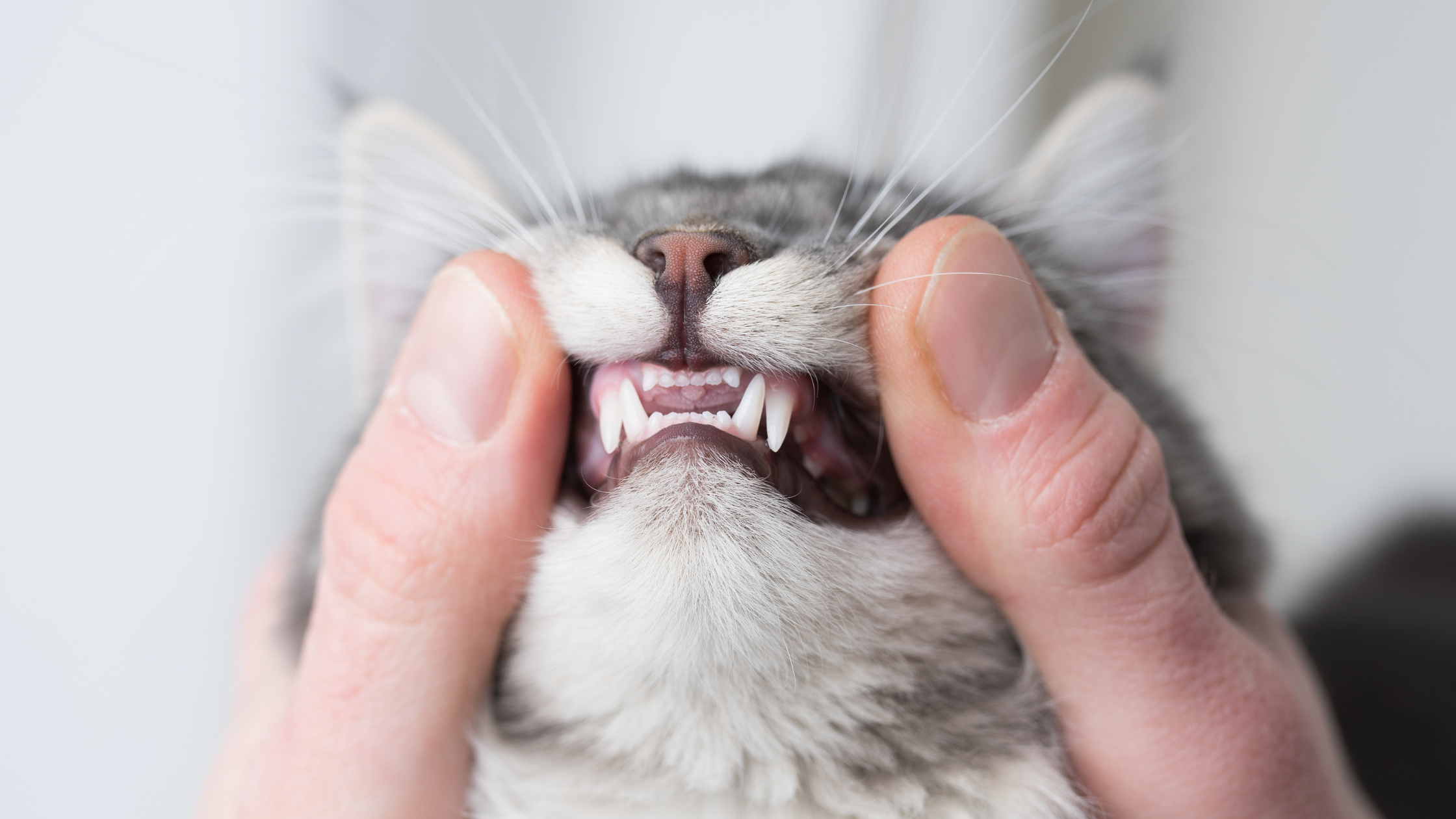
Bad breath, plaque buildup, bleeding gums, or difficulty chewing are common signs of oral health problems in cats. Gingivitis and periodontitis are among the most frequently diagnosed dental diseases in cats. Without treatment, these conditions can cause pain and loss of appetite.
Regular dental cleaning, oral hygiene, and check-ups with a veterinary dentist are essential and recommended even for cats that appear healthy.
Intestinal and digestive diseases
Digestive problems are common in cats. Diarrhea, vomiting, weight loss, or bloating are the main symptoms. The causes may include parasites, spoiled or inappropriate food, poisoning, or stress.
Persistent digestive issues require a thorough veterinary examination, as they may indicate more serious feline diseases.
Kidney diseases in cats
Kidney disease is a common problem, especially in older cats. Symptoms include frequent urination, excessive thirst, bad breath, and weight loss. Kidney failure progresses slowly, which is why early diagnosis is critically important.Treatment can help slow the progression of the disease and improve the cat’s quality of life.
Ear diseases
Ear diseases in cats may present as constant scratching of the ears, head shaking, dark discharge, or an unpleasant odor. The most common causes are ear mites, fungal infections, or bacteria.
If left untreated, ear diseases may damage hearing, cause severe pain, or even lead to neurological complications.

Viral diseases in cats
Viral infections in cats can resemble the common cold in humans — symptoms may include sneezing, coughing, discharge from the nose or eyes, and fever.
Feline flu and upper respiratory infections are often contagious, which is why vaccination is strongly recommended. It is also important to prevent healthy cats from coming into contact with sick animals.
Diabetes in cats
Cat diabetes is characterized by increased thirst, frequent urination, unexplained weight loss or gain, and lethargy. This chronic condition develops when the body either does not produce enough insulin or cannot use it properly. Treatment typically includes a special diet and insulin therapy.
Common diseases in spayed and neutered cats
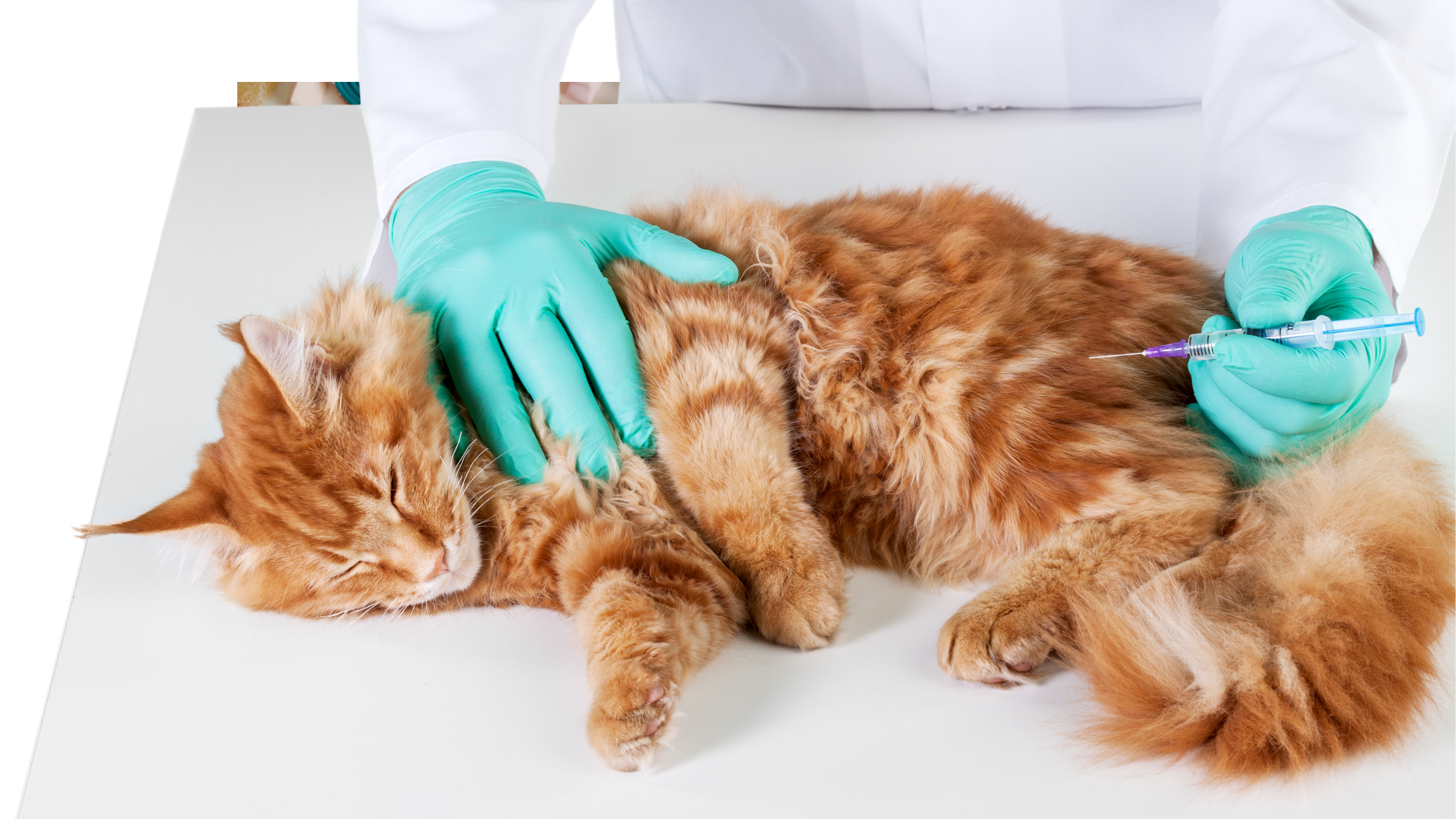
Spaying and neutering help prevent many cat diseases, especially those related to the reproductive system. Although sterilized cats can still develop certain conditions, their overall risk is significantly lower.
Spayed and neutered cats may still suffer from:
- Urinary tract infections;
- Obesity.
To reduce these risks, it is important to provide a balanced diet, sufficient physical activity, and regular preventive veterinary check-ups.
Unspayed and unneutered cats
Unspayed and unneutered cats face a much higher risk of disease and injury:
- Unspayed female cats may develop pyometra — a dangerous uterine infection — and have a higher risk of mammary tumors (breast cancer) later in life. They are also at greater risk of pregnancy and childbirth complications, and infected females may pass contagious diseases to their kittens.
- Unneutered male cats are more likely to be injured in fights with other cats, with bite abscesses being one of the most common consequences. During fights, they may also spread dangerous viruses such as Feline Immunodeficiency Virus (FIV) and Feline Leukemia Virus (FeLV), both of which are transmitted through direct contact.

When should you contact a veterinarian?
If you notice that your cat:
- Has not eaten or drunk anything for more than 12 hours;
- Is vomiting and/or has diarrhea;
- Is struggling to breathe or panting;
- Seems lethargic, hides, limps, or behaves unusually — do not delay seeking help.
Cat diseases and their symptoms can vary greatly, and some illnesses may remain unnoticed for a long time. That is why it is always best to consult a veterinarian as soon as you notice any unusual signs or behavioral changes.
Even if your cat appears healthy and active, regular health check-ups are the best way to ensure there are no silent changes occurring in their body that could later develop into serious diseases. Early diagnosis allows for faster and more effective treatment, helping your pet regain strength and well-being sooner.

 Vet. gydytojas Robert