

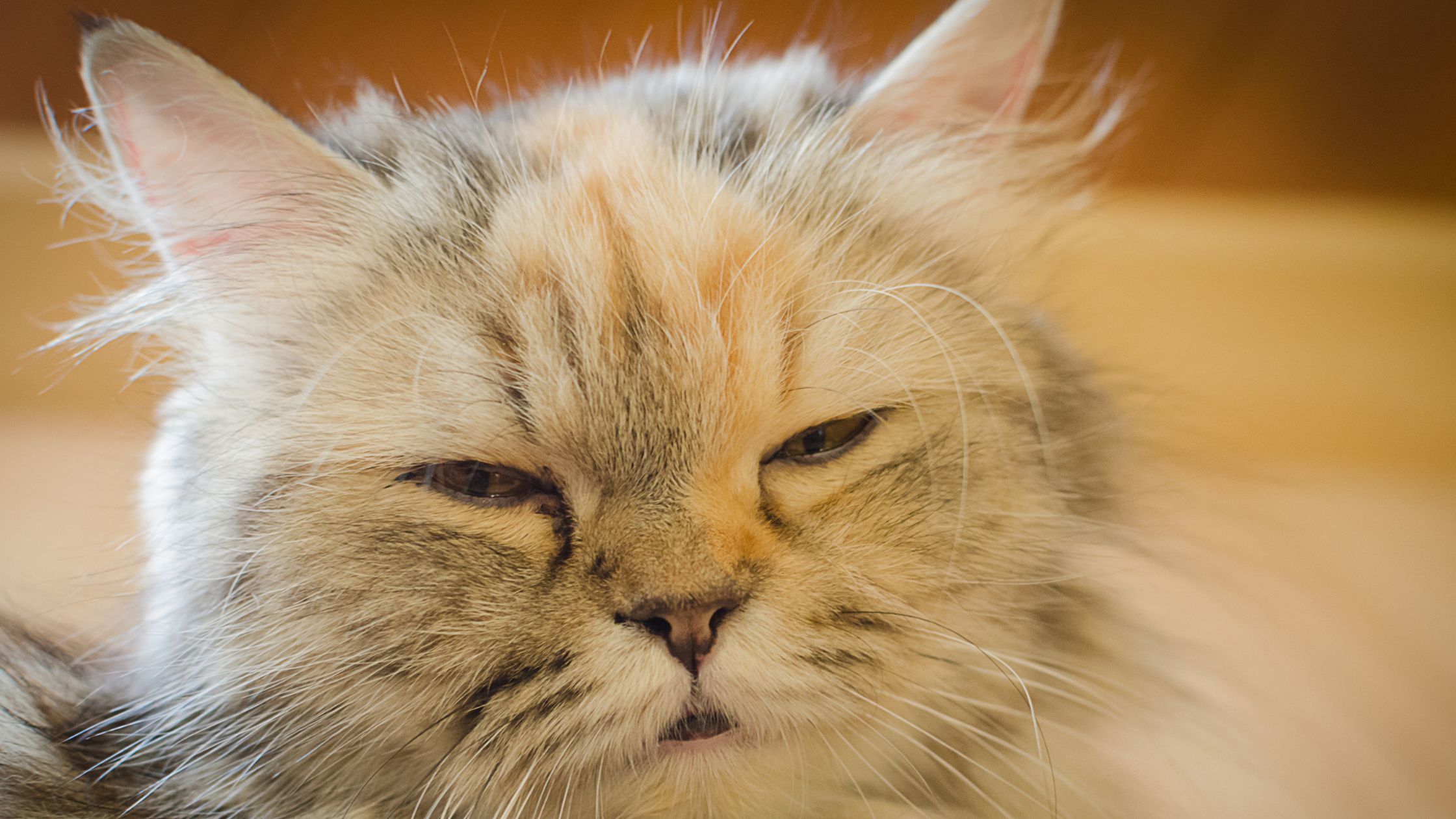
If your cat has a runny nose, it isn’t always just a minor cold. Frequent sneezing, nasal discharge, or labored breathing often point to a viral infection — sometimes called cat flu — that may need veterinary treatment. Some cases clear up on their own, but left untreated, a runny nose in cats can lead to complications and even become life-threatening.
In this article, you’ll learn how to spot the early signs of a runny nose in your cat, how to treat it safely, and when it’s time to see the vet.
A runny nose is the second most common cause of nasal disease in cats, accounting for around 35% of cases.¹ Whether it’s a mild cold or a more serious case of cat flu, catching the symptoms early really matters — and so does knowing when a cat’s runny nose needs professional treatment rather than home remedies.
Table of contents
What causes a runny nose in cats?
A runny nose in cats is inflammation of the nasal lining that leads to nasal discharge, sneezing, and breathing difficulties.
Most often, a cat’s runny nose — also commonly known as cat flu — is caused by viral infections like feline rhinotracheitis and feline herpesvirus. It can also be triggered by bacteria (Chlamydophila felis, Mycoplasma species, Bordetella bronchiseptica²), fungal infections in the respiratory tract, or a weakened immune system.
Sometimes cats develop a runny nose for non-infectious reasons too — allergies, foreign objects lodged in the nose, or dental problems can all cause it.
A runny nose can be especially dangerous for young kittens, senior cats, or any cat with a chronic health condition.
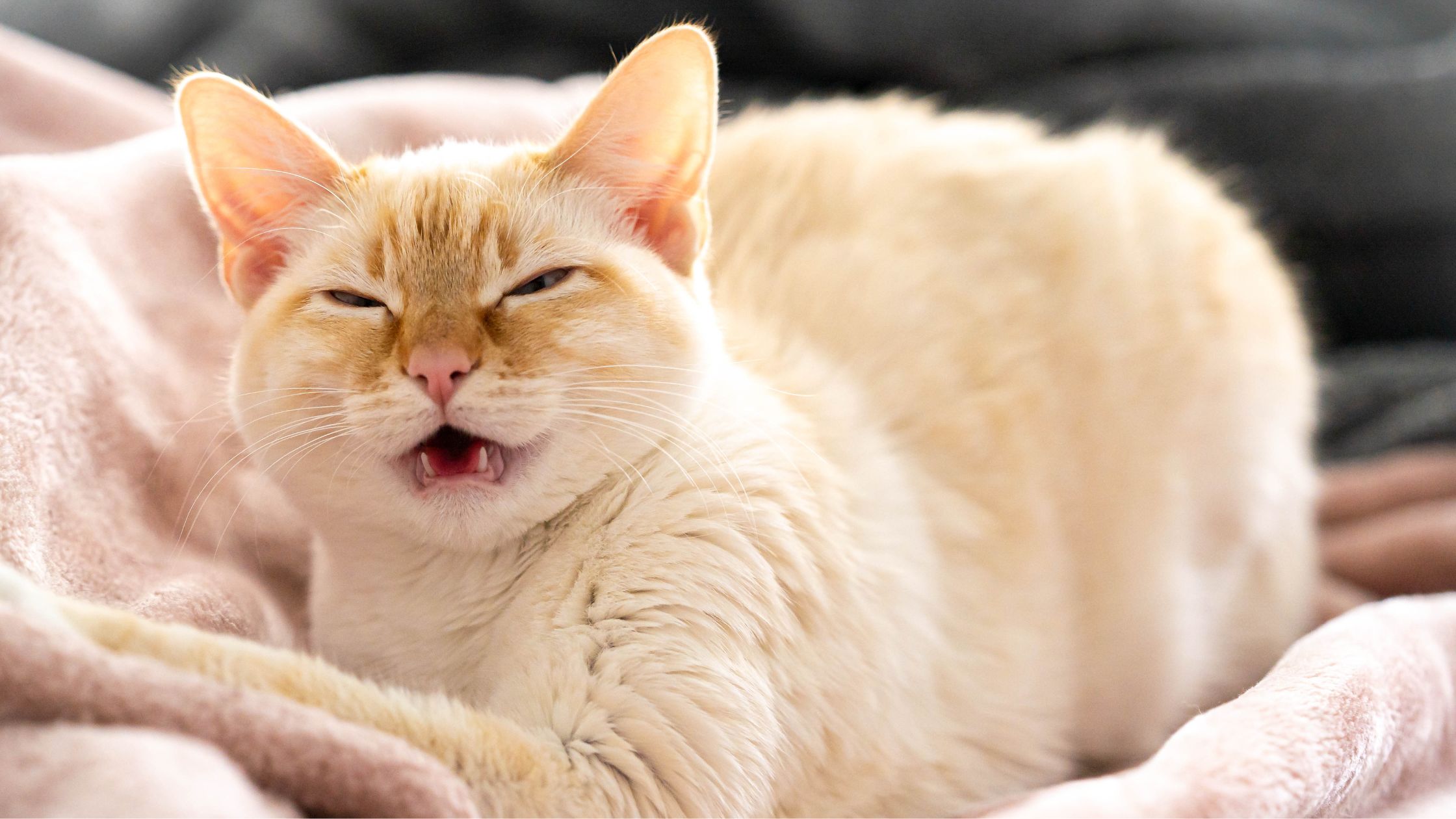
Cat runny nose symptoms: how to recognize them
As with many cat illnesses, if your cat’s runny nose lasts more than a day, it’s worth watching closely for these additional symptoms:
- Nasal discharge (clear, yellow, or green),
- Frequent sneezing — and how many times a day it happens,
- A blocked nose and breathing through the mouth,
- Watery eyes or pus-like discharge from the eyes,
- Reduced appetite,
- Lethargy or fever.
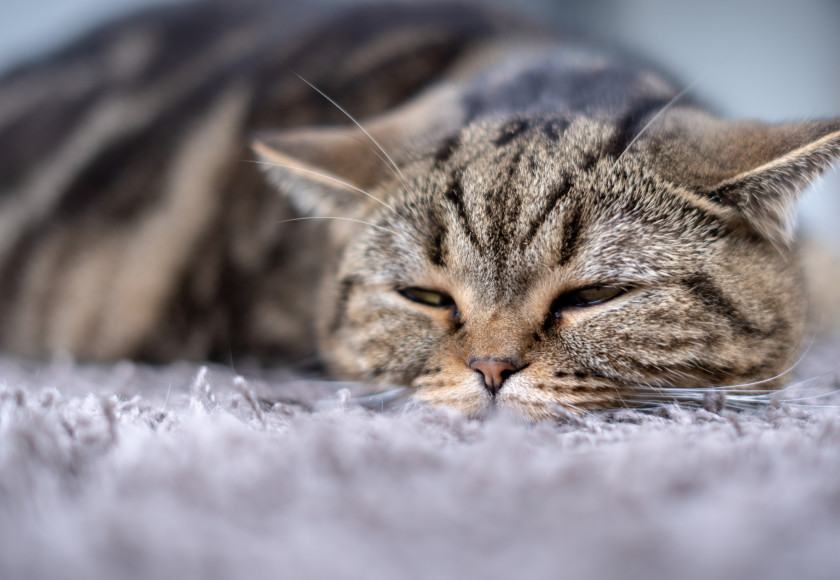
When a cat has a runny nose, it often becomes withdrawn, plays less, and may even stop eating — usually because it can no longer smell its food.
How to treat a runny nose in cats?
Treatment depends entirely on what’s causing your cat’s runny nose. The same medications don’t work in every case, which is why trying to treat a cat cold at home without veterinary guidance can be risky.
What not to do when treating a cat’s runny nose at home
There’s plenty of advice online, but a cat’s runny nose should never be treated with medications meant for humans. Never give your cat:
- Human cold or flu medications,
- Antibiotics without a vet’s prescription,
- Essential oils or steam treatments.
The wrong medication can poison your cat or make the illness worse. If you’re wondering how to treat a cat’s runny nose, the safest answer is always the same: book a vet check-up.
How a vet clinic treats a cat’s runny nose?
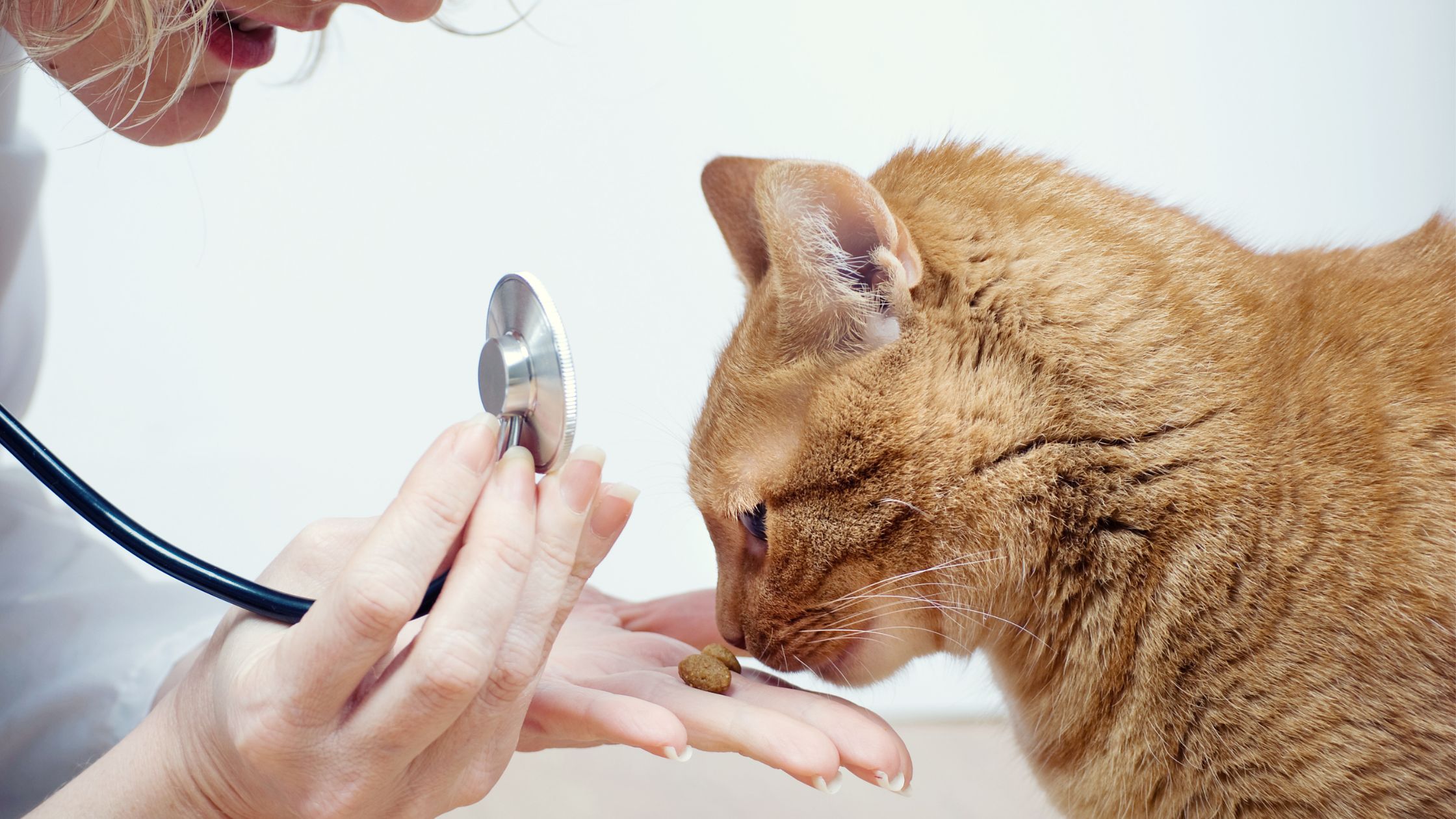
A vet will assess your cat’s overall condition, identify the cause of the runny nose, and choose the right treatment. Typical treatment at a clinic includes:
- Antibiotics or antiviral medications,
- Anti-inflammatory and supportive medications,
- Cleaning and moisturizing the nasal passages,
- Hospitalization, if the cat’s condition is serious.
Modern vet clinics have specialized equipment to pinpoint the cause of the runny nose and assess the risk of complications.
Only with the right diagnostic tests can a vet choose the most effective treatment — one that helps your cat recover faster and lowers the chance of complications down the line.
ow to prevent your cat’s runny nose from coming back?
Prevention matters a lot, especially if your cat has had recurring runny noses in the past. The right care can lower the risk of another episode and protect your cat’s respiratory health.
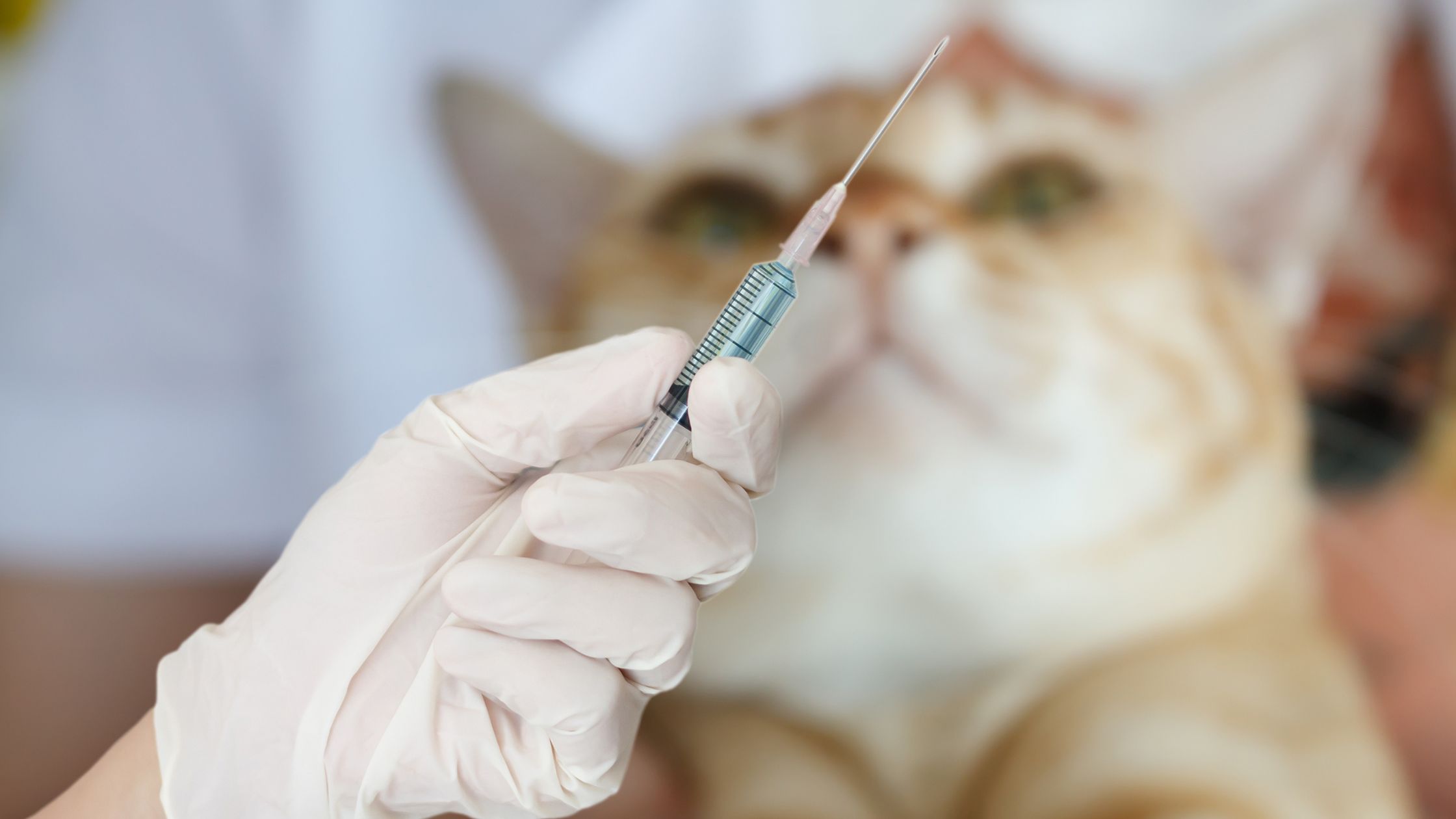
- Vaccination. Regular cat vaccinations help protect against the main viruses behind cat flu. Vaccinated cats get sick less often, and when they do, the illness tends to be milder. Staying up to date on vaccinations also strengthens your cat’s overall defenses.
- Supporting the immune system. Make sure your cat has a complete, balanced diet, plenty of water, and a stable environment without sudden changes. Stress weakens the immune system, so a calm routine and a safe space matter just as much as good nutrition.
When to take your cat to the vet?
Don’t wait — book a vet visit if you notice any of these signs:
- The runny nose lasts more than 2 days
- You see pus-like or bloody discharge — get help right away!
- Your cat stops eating or drinking, or struggles to breathe
- The runny nose keeps coming back.
Timely veterinary care can save your cat’s life.
Sources:
 Vet. gydytojas Robert