

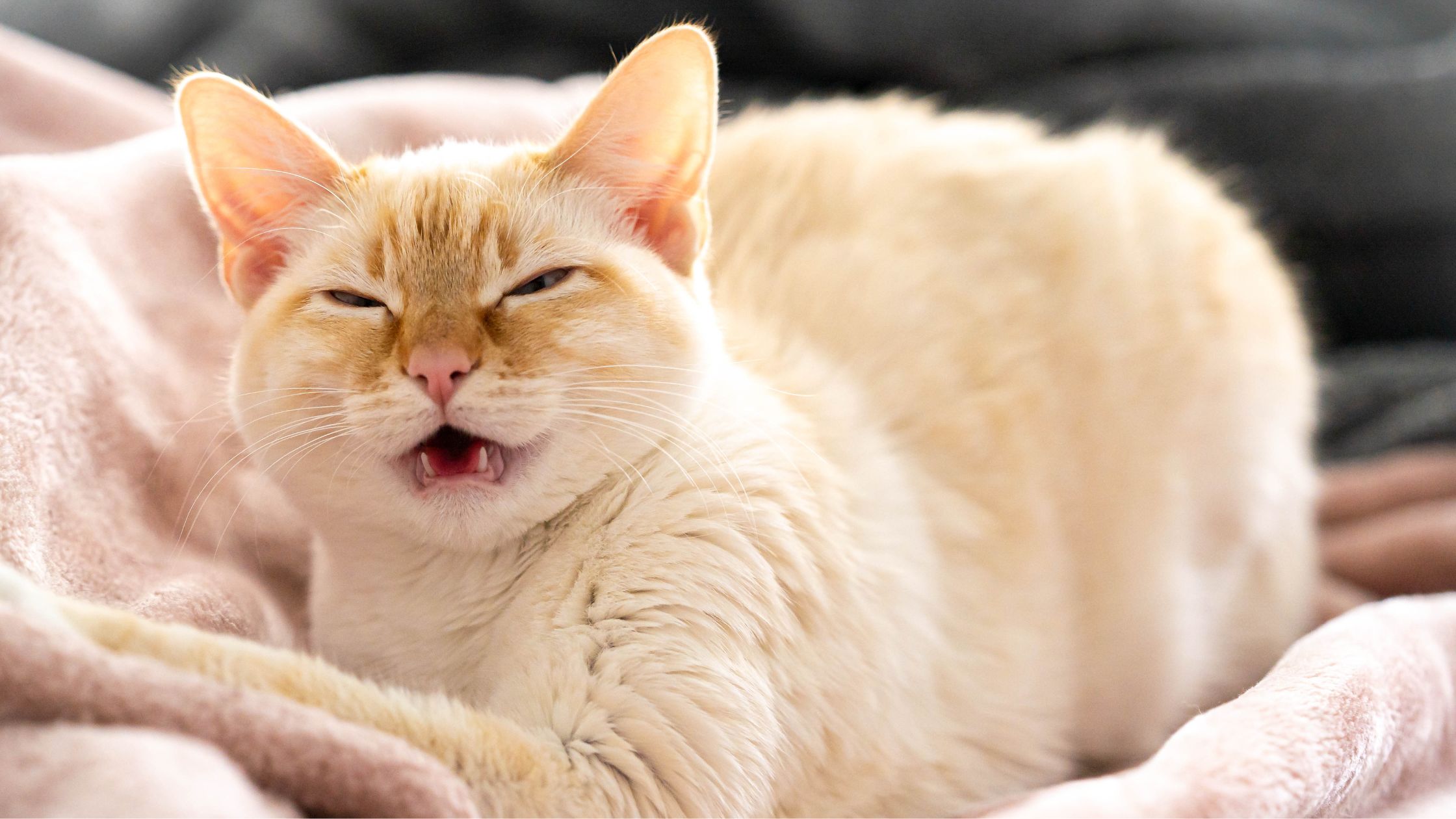
Cats sneeze fairly often, and in most cases it’s a completely normal, protective reflex. Sneezing helps clear dust, pollen, and other irritants from the nose.
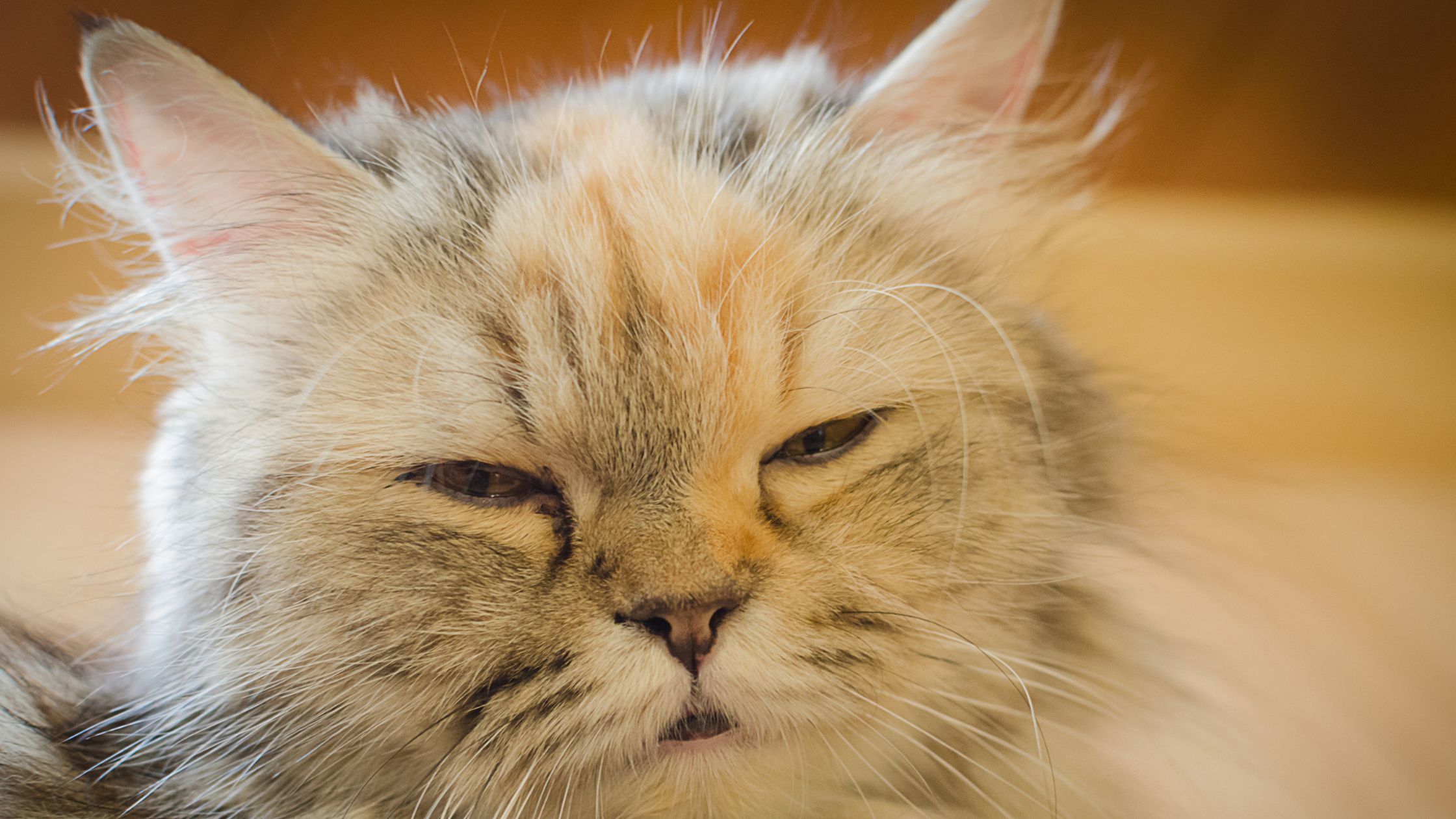
However, if your cat sneezes constantly or frequently — or alongside other symptoms like a runny nose, lethargy, or loss of appetite — it could be an early sign of illness.¹
This article will help you understand why your cat is sneezing, when it’s nothing to worry about, and when it’s time to see the vet.
Table of contents
Most common reasons your cat is sneezing
Sneezing is a natural protective reaction that helps clear dust, irritants, or microorganisms from the nose. But if your cat sneezes often or for a long stretch of time, the cause may be more serious — usually something to do with the respiratory tract or another underlying health issue.
Viral infections
One of the most common culprits is upper respiratory viruses, such as feline calicivirus or feline herpesvirus. In these cases, the sneezing usually comes with a runny nose, watery eyes, or lethargy.
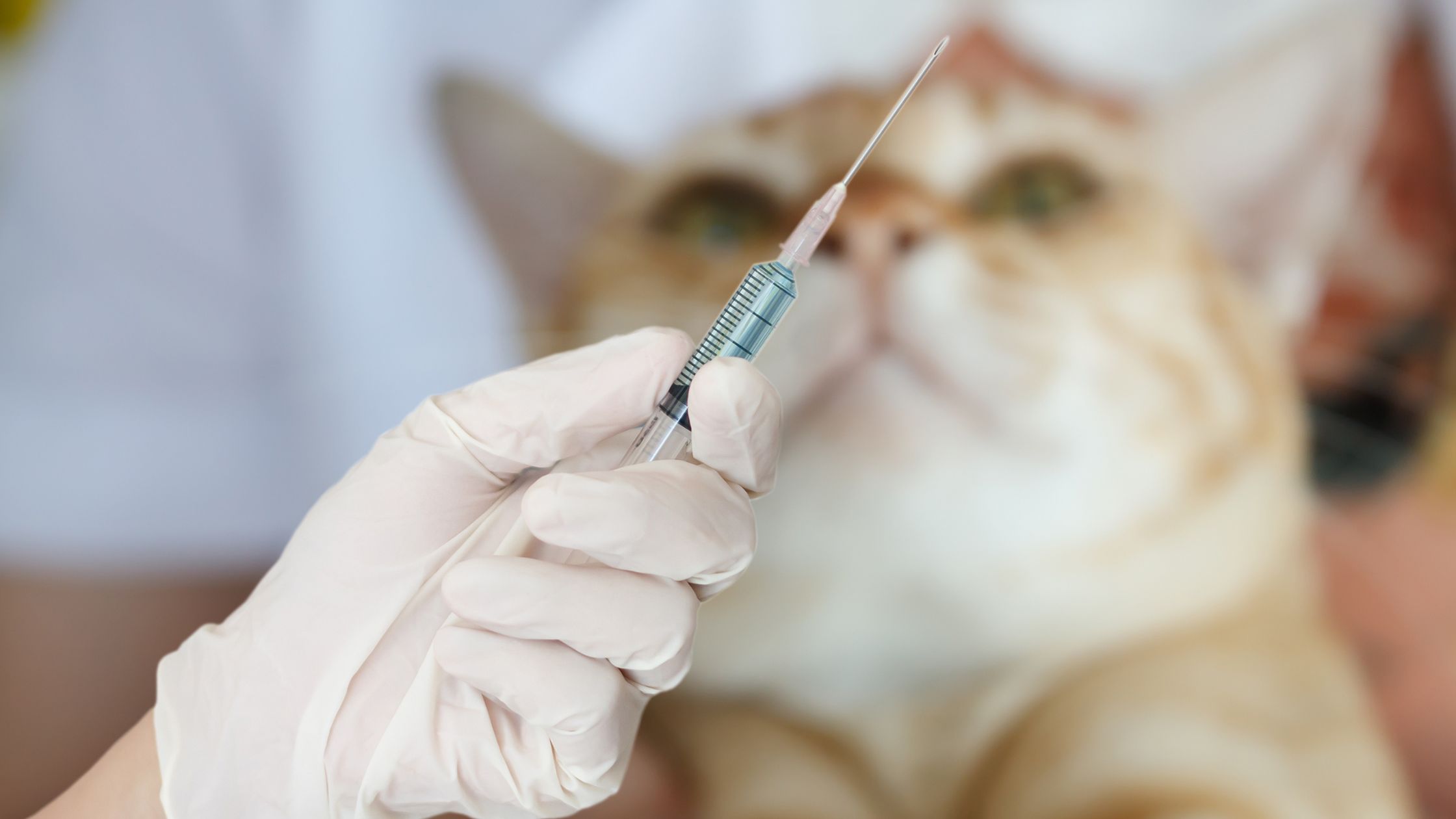
Regular vaccination is the best way to prevent viral illness — and the sneezing, runny nose, and complications that come with it.
Bacterial infections
If your cat is sneezing with a runny nose and the discharge turns yellow or green, a bacterial infection has likely set in. This kind of sneezing rarely clears up on its own, and treatment usually requires antibiotics prescribed by a vet.
Inflammation and chronic rhinitis
Sometimes sneezing lingers long after the infection itself is gone. This happens when the nasal lining stays irritated from the inflammation. The cat keeps sneezing for no obvious reason — and will continue to until the respiratory lining fully heals and the sensitivity fades.
Foreign objects in the nose
Inhaled dust, small particles, or even a blade of grass can trigger sudden, intense sneezing fits. If your cat starts sneezing out of nowhere — hard and with no other symptoms — there may be something stuck in the nasal cavity. Left in place, a foreign object can lead to complications.
Dental disease
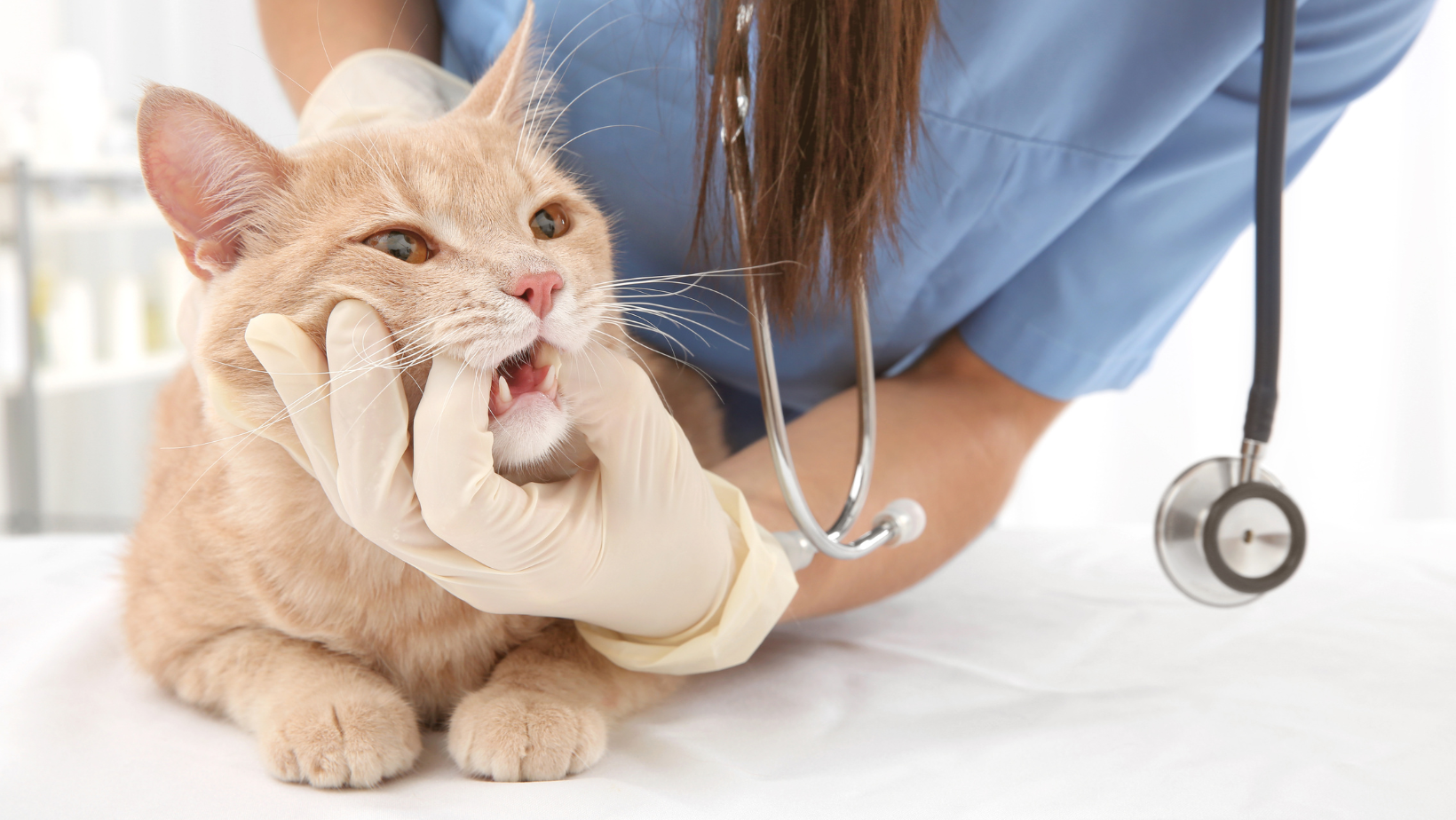
The roots of the upper teeth sit right next to the nasal cavity, so a dental infection can easily trigger sneezing. When this is the cause, you’ll typically notice bad breath or a drop in appetite alongside it.
Regular check-ups with a veterinary dentist and professional teeth cleaning at the clinic keep your cat’s mouth healthy and help prevent dental disease before it starts.
Tumors
In older cats, persistent sneezing can be linked to a tumor in the nasal cavity. These tumors cause long-term irritation and inflammation of the nasal lining, sometimes producing pus-like or even bloody discharge.
Beyond the sneezing, you might notice nasal congestion, weight loss as the sense of smell fades and appetite drops, or general weakness. Early diagnosis really matters here — catching it sooner means treatment can start sooner, and the prognosis improves significantly.
Fungal infections
Fungal infections are less common in cats than viral or bacterial illnesses, but they’re another cause of sneezing worth knowing about. The fungus typically attacks the nasal lining and can even reach the lungs.
Symptoms often look a lot like chronic upper respiratory disease: ongoing sneezing, a runny nose, pus-like or bloody discharge, and sometimes weakness or reduced appetite.
A standard clinical exam usually isn’t enough to confirm a fungal infection — further testing is typically needed, such as analysis of tissue samples from the nasal cavity or respiratory tract.
What to do if your cat is sneezing?
Occasional sneezing fits usually aren’t a cause for concern, but it’s still worth keeping an eye on your pet. Make sure their environment is clean and dust-free, and keep the air in your home humid enough that the nasal lining doesn’t dry out.
If the sneezing becomes constant or keeps coming back, don’t try to treat it at home or reach for human medications — these aren’t safe for cats. Take your pet to a vet, who can identify the exact cause and choose the right treatment.
How to tell if your cat’s sneezing is harmless or a warning sign?
The occasional sneeze is usually nothing to worry about — it’s often just a temporary irritation or something in the environment. But sneezing that lasts several days or refuses to go away is a different story. It can signal a respiratory infection, inflammation, or another underlying issue, and it’s worth booking a vet visit as soon as possible.
A vet visit is especially important if:
- the sneezing lasts longer than 2–3 days,
- you notice pus-like or bloody discharge alongside the sneezing and runny nose,
- your cat is losing weight or generally seems unwell,
- your cat becomes withdrawn or stops engaging with its surroundings.
Waiting it out can make treatment harder, so book a visit now — a vet will pinpoint the cause and choose the right treatment so your cat can recover faster.
How vet clinics diagnose the cause of sneezing in cats?
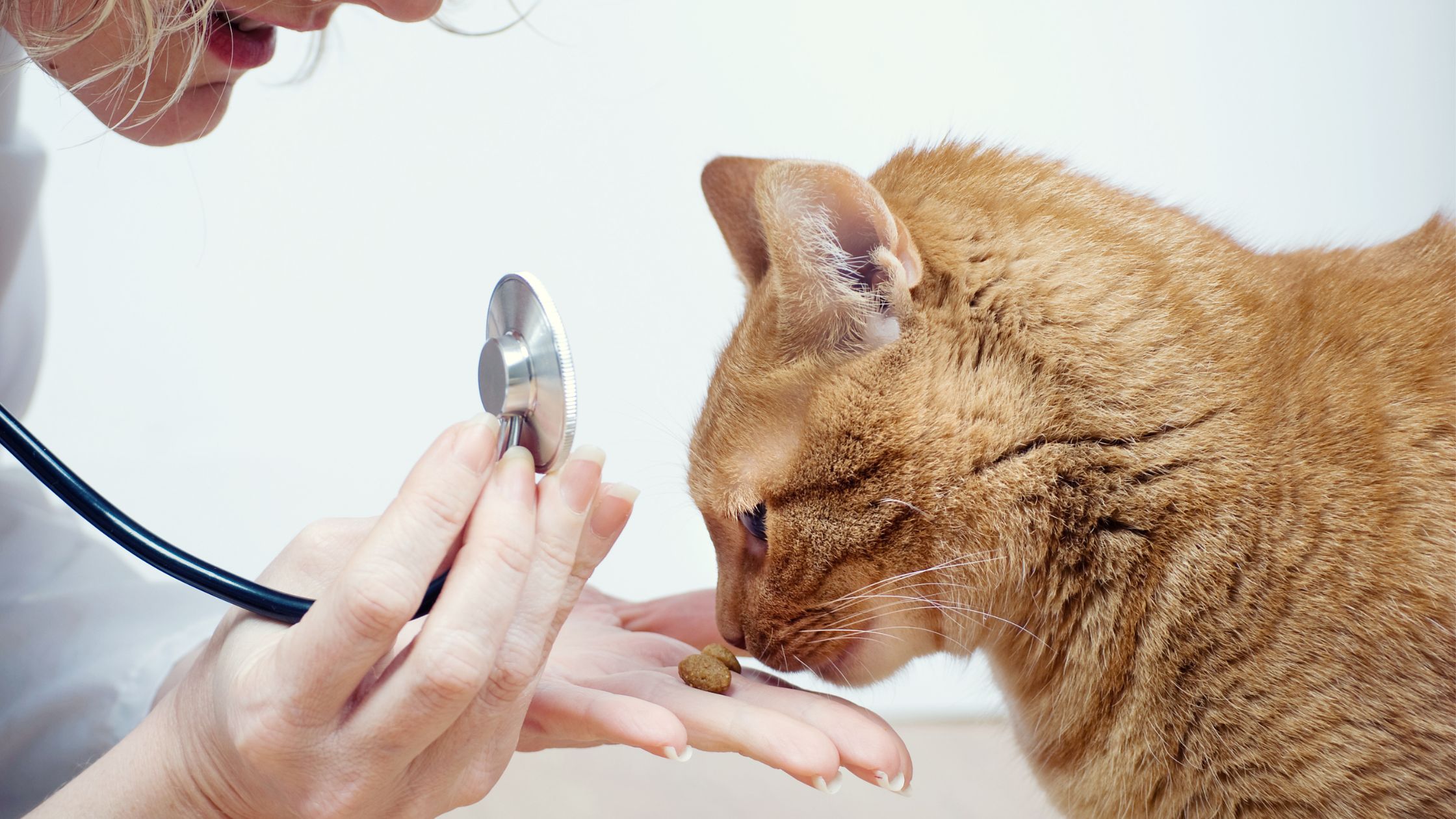
Modern vet clinics use several methods to track down what’s behind a cat’s sneezing. Beyond a standard clinical exam, blood work, and viral panels, this can include:
- imaging (X-rays, CT scans),
- rhinoscopy, if needed,
- biopsy, when warranted,
- nasal flushing — if a foreign object is suspected or there’s heavy inflammatory discharge in the airways.
Together, these tools make it possible to pinpoint exactly why your cat is sneezing and to choose the right treatment — so your pet recovers faster and avoids further complications.
How to prevent frequent sneezing in cats?
You can’t prevent every sneeze, but you can lower the risk by following a few habits of responsible cat owners:
- stay on top of vaccinations and deworming,
- keep your home clean,
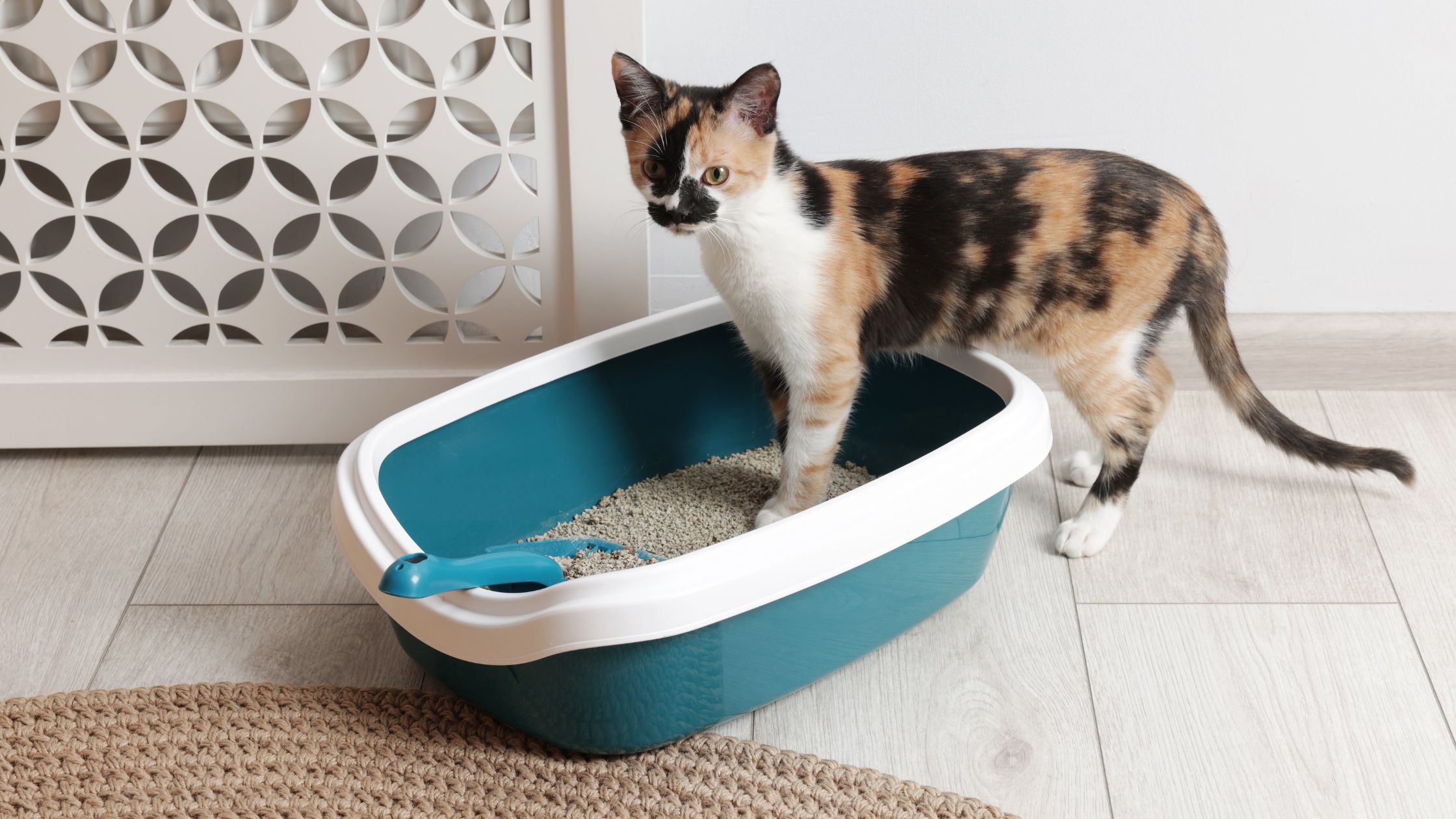
- use low-dust litter,
- look after your cat’s oral hygiene,
- support their immune system with appropriate supplements,
- schedule regular preventive check-ups with the vet.
Professional diagnosis and treatment for cat sneezing at Begemotas Clinic
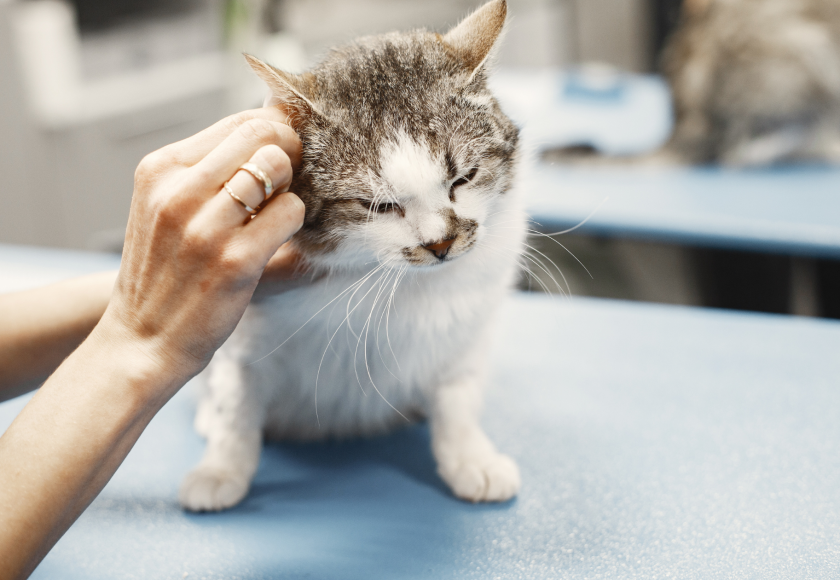
At Begemotas Veterinary Clinic in Vilnius and Širvintos, our veterinarians take an individual approach to every case. A thorough exam combined with diagnostic testing reveals the exact reason your cat is sneezing — whether it’s a temporary nasal irritation or a more serious upper respiratory condition.
Based on the results, our vets build a treatment plan that fits — anything from supportive care to targeted medication or long-term management. Throughout treatment, we monitor your cat’s condition closely, adjust the approach as needed, and see it through until full recovery.
If you notice your cat sneezing often, developing a runny nose, becoming lethargic, or showing worsening symptoms — don’t wait. Book a visit as soon as possible. An early vet check-up means treatment can start in time and complications can be avoided.
 Vet. gydytojas Robert