

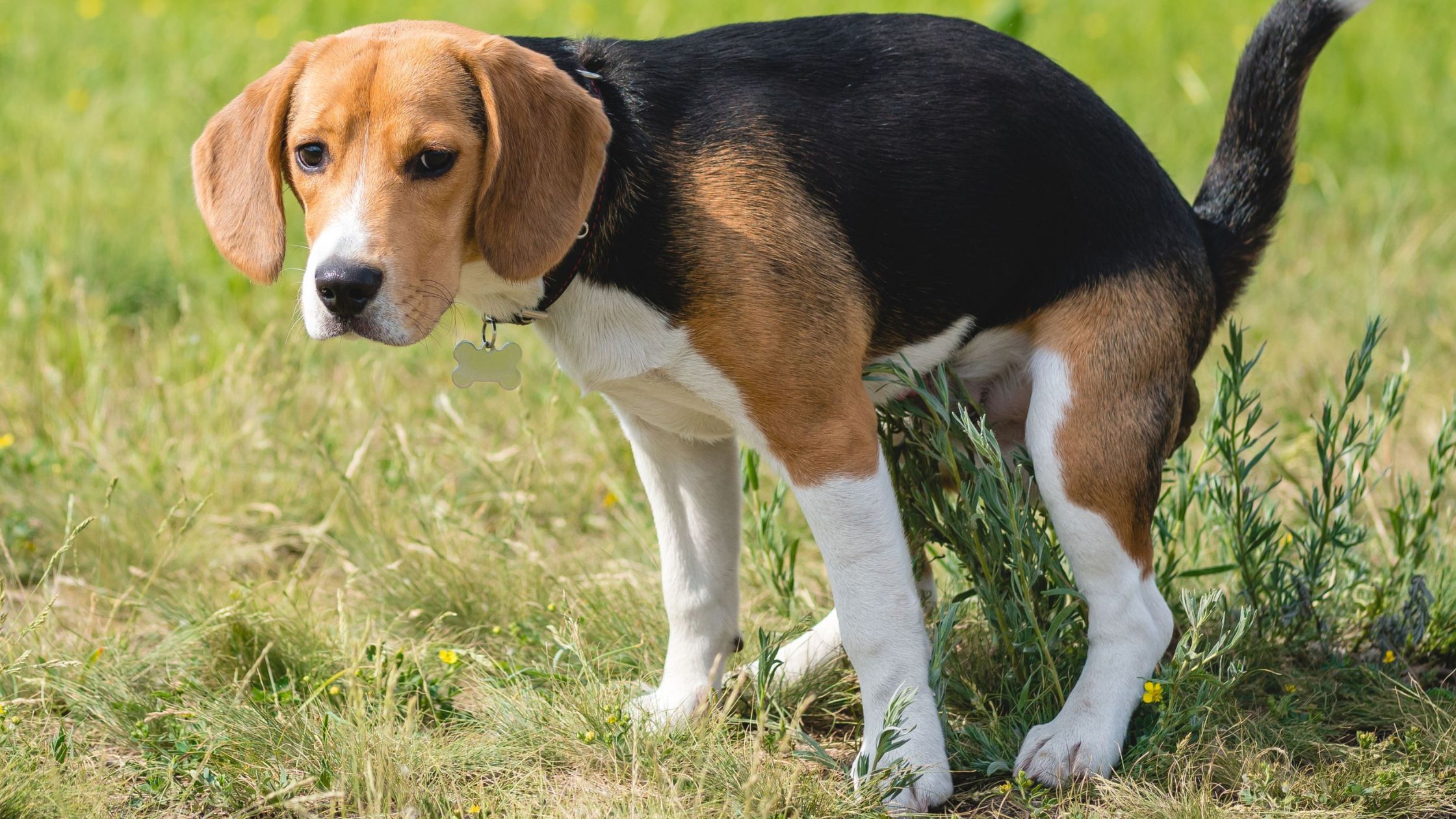
Have you noticed blood in your dog’s poop? Sometimes it appears alongside mucus or stool with an unusual consistency. This can signal anything from a mild digestive upset to a serious, life-threatening illness. Every responsible pet owner knows that a dog’s behavior, appetite — and even their stool — can reveal a lot about their health.
Regularly checking your dog’s poop is a simple but vital habit. Changes in color, consistency, or frequency are often the first warning signs of illness. Blood in dog feces is always a serious signal — one that should never be ignored.
If you’ve noticed that your dog has blood in his poop, it’s important to understand what it might mean and what to do next. In this article, we’ll explain why dogs pass bloody stools, how to recognize dangerous symptoms, and when it’s essential to act fast and consult a veterinarian.
Table of contents
Why does my dog have blood in his poop?
Blood in your dog’s stool can occur for many reasons — from mild digestive upset to life-threatening conditions (it’s one of the signs your dog may be unwell, so it’s worth responding promptly). The most common cause is inappropriate food or a sudden change in diet. A dog’s digestive tract is highly sensitive to “new arrivals,” which can quickly trigger gastroenteritis or acute hemorrhagic diarrhea syndrome (AHDS).
Bloody stools can also appear if your dog:
- swallowed a foreign object — bones, sticks, or toy fragments
- ingested garbage or toxic substances
- was given new food, treats, or ate another animal’s food
- contracted a viral or bacterial infection (e.g., canine parvovirus)
- developed pancreatic, liver, or kidney disease
- has a tumor or other oncological condition
- experienced severe stress or abdominal trauma
Even if your dog seems lively and well, blood in dog feces should never be brushed off.
What does blood in dog poop look like? Color matters
The color of the blood helps pinpoint where in the digestive tract it’s coming from.
Bright red blood in dog poop usually points to problems in the large intestine or rectum. When the blood looks “fresh,” it’s often accompanied by diarrhea and mucus.
Dark red, brown, maroon, or even black blood means the blood has already been partially digested and likely originated higher up — in the stomach or small intestine. This is a particularly serious warning sign and can indicate internal bleeding, severe gastritis, or stomach ulcers.
What to do if your dog has blood in his poop
If you notice blood in your dog’s stool, the most important thing is to stay calm but act responsibly. Observe your dog’s behavior and appetite. Watch for vomiting, lethargy, or weakness.
Try to assess the color of the blood and notice whether your dog is passing formed stools with blood and mucus, whether bloody poop comes alongside diarrhea, or whether your dog is passing blood with no visible stool at all.
If possible, take a photo of the stool — blood in dog feces can appear in very different ways, and the visual will help your vet. If bleeding is heavy, the blood is dark, or it’s accompanied by vomiting — head to the veterinary clinic immediately.
Blood in your dog’s stool: what does treatment look like?
Treatment always depends on the underlying cause and severity of the condition. In every case, treatment must be prescribed by a licensed veterinarian.
- In mild cases, treatment may involve adjusting the diet and feeding your dog easily digestible food. Vets often also prescribe probiotics and prebiotics.
- In more serious cases, anti-inflammatory medications or antibiotics may be needed.
- If your dog has been passing blood for more than a day, fluid therapy may be needed to treat dehydration. In severe cases, hospitalization — or even surgery — may be required, particularly if a foreign object (like a toy piece or bone fragm
Timely, targeted treatment usually leads to a full recovery.
How to reduce the risk of bloody stools
Not every health issue can be predicted or prevented, but proper daily care can significantly reduce the risk of blood appearing in your dog’s poop. Diet, a safe environment, and regular preventive care all play a major role in your dog’s digestive health.
Proper nutrition
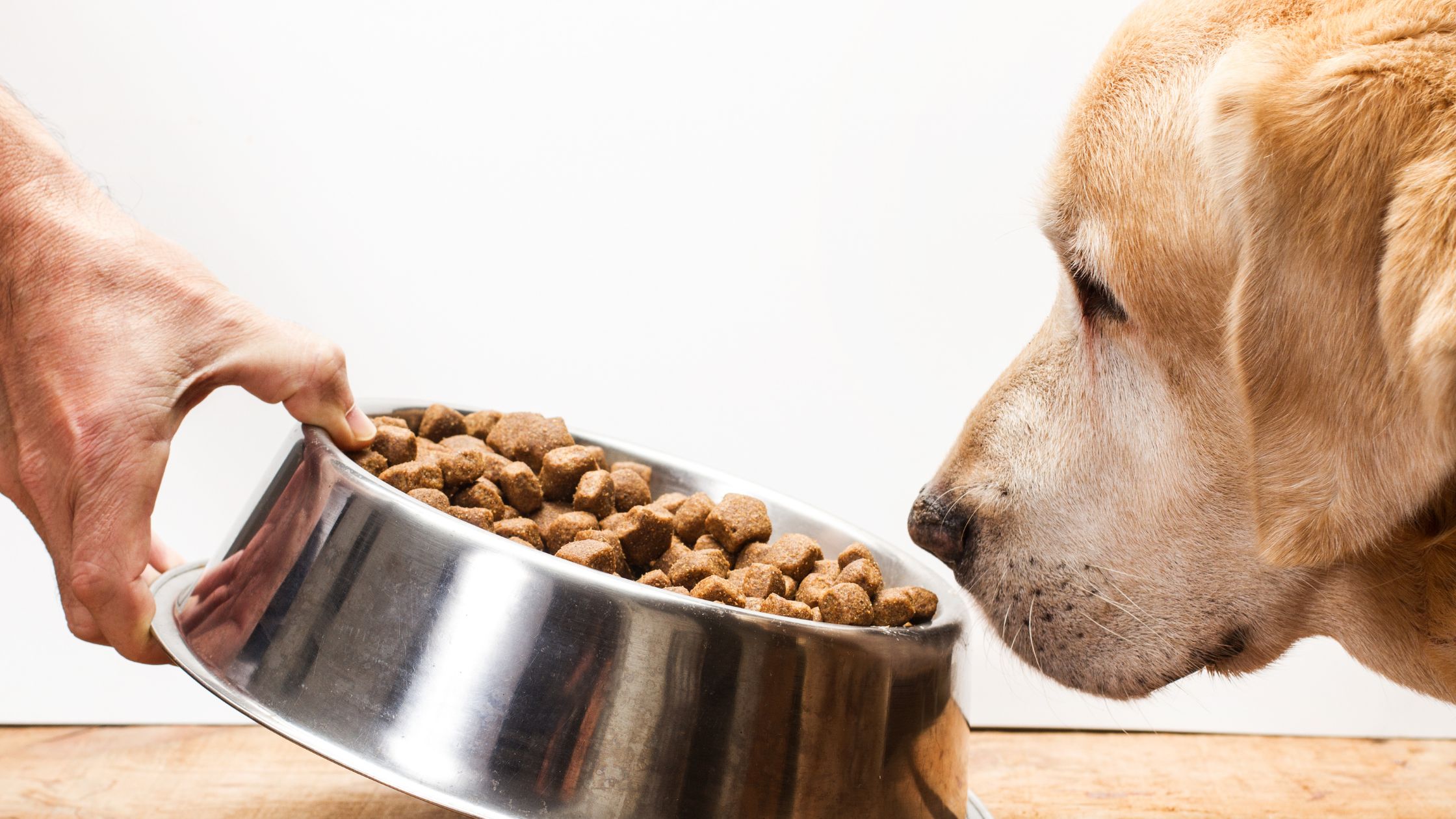
Good nutrition is one of the cornerstones of your dog’s well-being. Sudden food changes can cause digestive upset, intestinal inflammation, or even bloody stools. New food should always be introduced gradually, over 7–10 days.
It’s also important not to feed your dog foods that aren’t suitable for them — bones, fatty meats, or spicy human dishes can damage the intestines and trigger internal bleeding.
Regular deworming
Intestinal worms are one of the most common reasons dogs pass blood or mucus in their stools — especially in puppies. Regular deworming protects your dog’s digestive system, and their overall health along with it. The deworming schedule should be set with your veterinarian, based on your dog’s age, lifestyle, and individual risk factors.
Protection from dangerous objects
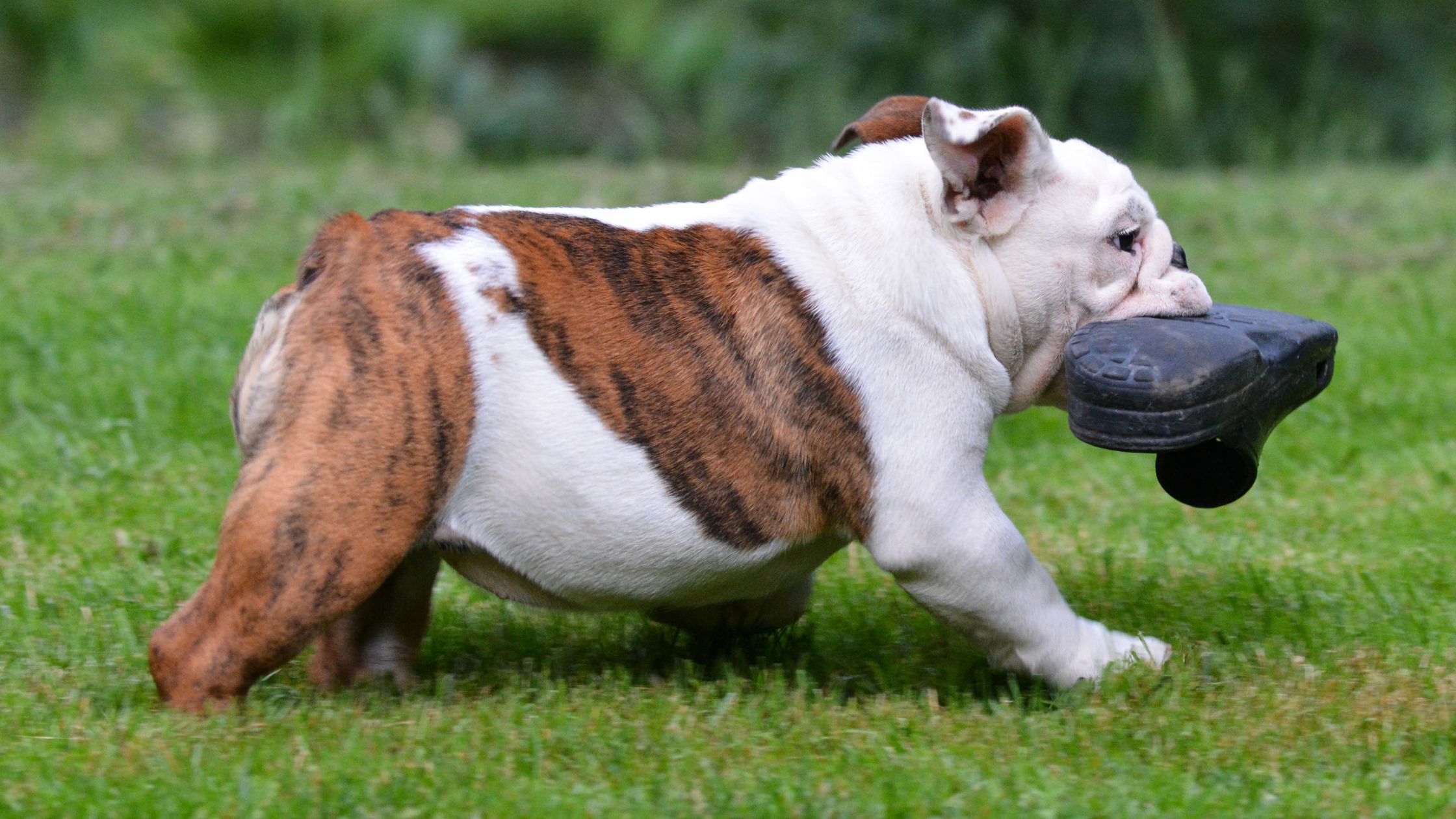
Dogs — especially curious or young ones — are prone to sampling things they shouldn’t, from garbage to toy fragments to toxic substances. These “discoveries” can cause intestinal injury, inflammation, or lead to blood in your dog’s poop. Keep dangerous items out of reach and make sure your dog’s environment is safe.
Preventive check-ups
Regular vet visits allow for early detection of diseases that may not show obvious symptoms at first — such as hormonal imbalances or pancreatic and liver disease. Many digestive and internal organ problems, when caught early, are successfully treatable. Preventive check-ups are especially important for senior dogs and those with a history of digestive issues.
When is blood in dog poop a serious warning sign?
Don’t wait — contact your vet immediately if:
- Your dog is lethargic or visibly weak
- Your dog hasn’t been drinking for more than 8 hours
- Your dog hasn’t eaten for more than 12–24 hours
- There’s vomiting, diarrhea, or fever
- The blood is dark, or there’s a large amount of it
- Your dog has been passing blood and mucus for more than 24 hours
- It’s a young puppy (especially if parvovirus is suspected).
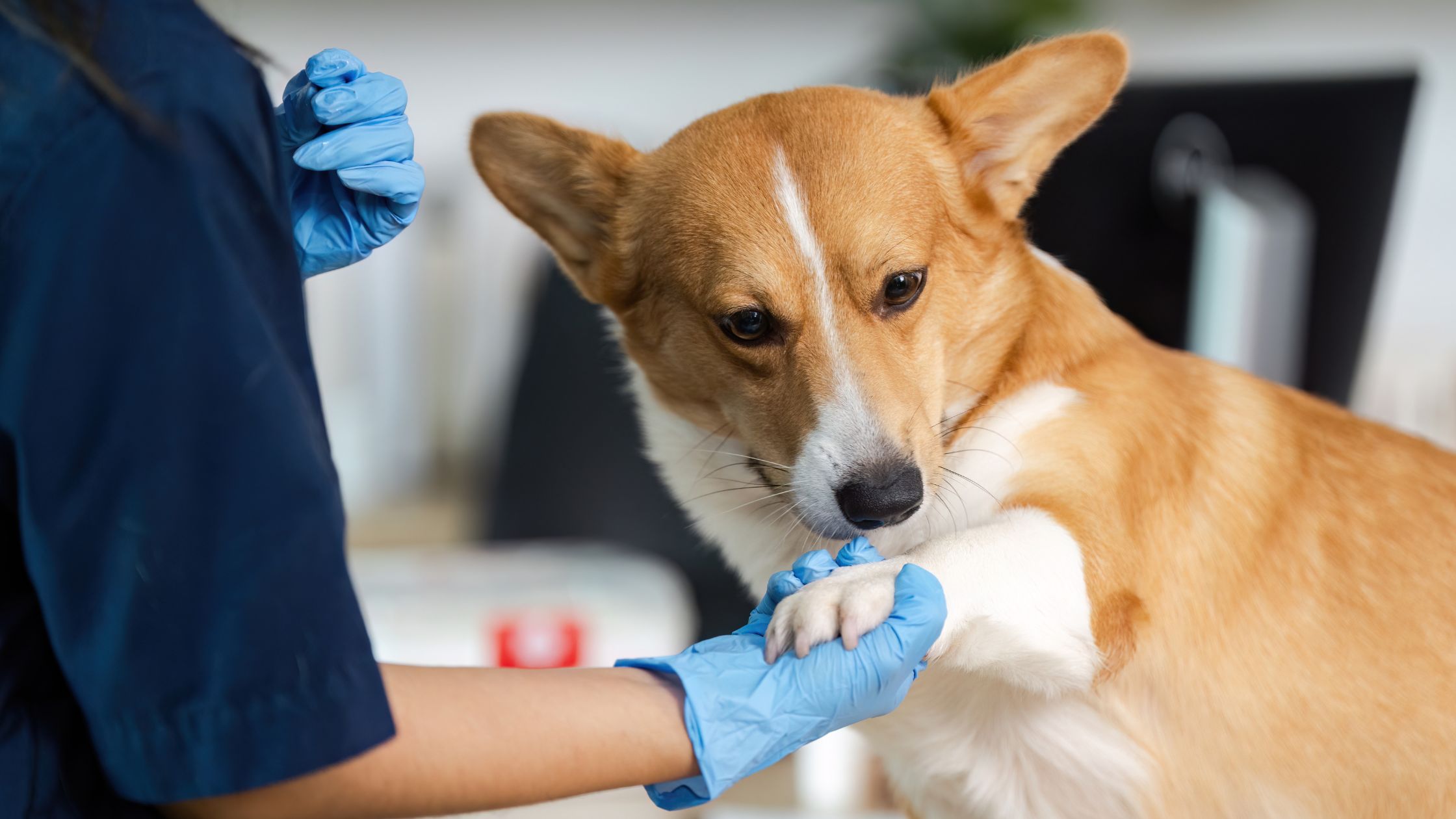
If you’re unsure about your dog’s condition, the team at Begemotas Veterinary Clinic is ready to help — every day of the week. Timely care can save your pet’s life.
 Vet. gydytojas Robert