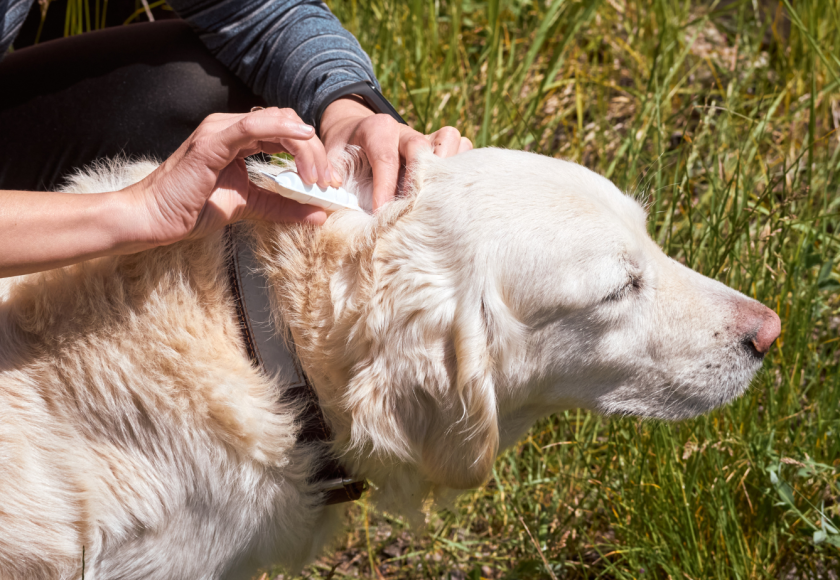



Every dog owner wants their pet to be healthy and happy. However, animals cannot tell us when they feel unwell, so it is very important to recognize the signs that a dog is sick. Sometimes these signs are obvious, such as vomiting or extreme lethargy, but in other cases, they can be more subtle and only noticeable by carefully observing daily habits and behavior.
Owners should pay attention to their pet’s daily routines – appetite, activity level, behavior, and physical condition. Even small changes can be the first signs that a dog is sick. The earlier these symptoms are noticed, the sooner you can visit a veterinary clinic.
Table of contents
How can you tell if your dog is sick?
One of the most common questions is how to tell if a dog is sick. The answer is simple: you need to know your dog and understand what is normal for them and what should raise concern. If an active dog suddenly becomes less energetic, if a pet that usually eats well starts refusing food, or if new health issues appear, these can be signs that a dog is sick.
Other signs that a dog is sick can also be clearly visible, such as changes in the skin, discharge from the eyes or ears, or changes in breathing. By observing your dog’s daily condition, you can notice even small changes early.
10 signs that a dog is sick – a quick guide for owners
1. Loss of appetite or sudden changes
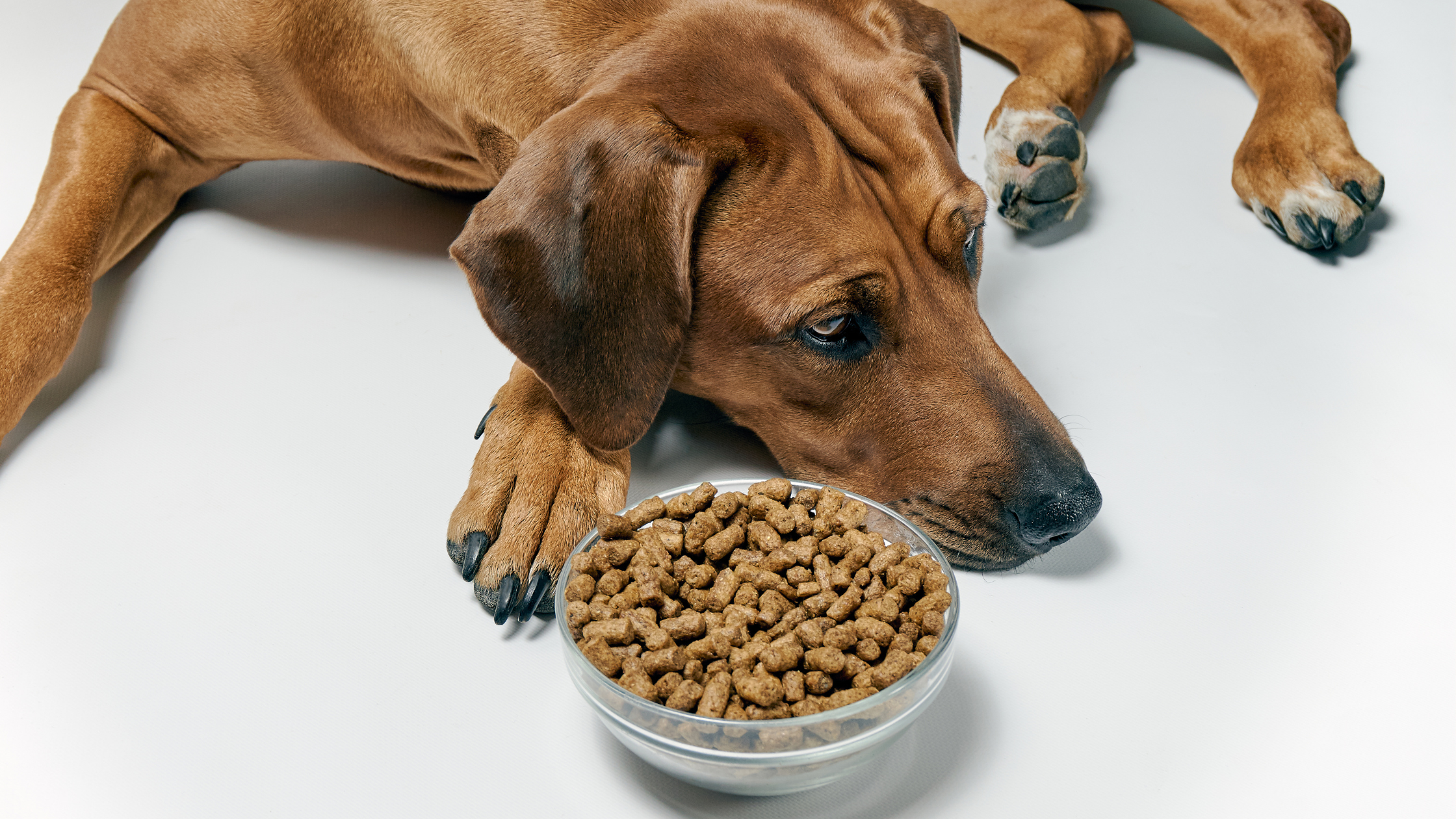
One of the first signs that a dog is sick is often related to appetite. If your dog suddenly stops eating or, on the contrary, starts eating much more than usual, it may indicate digestive issues, endocrine disorders (such as diabetes or hyperthyroidism), or dental problems.
2. Lethargy and reduced activity
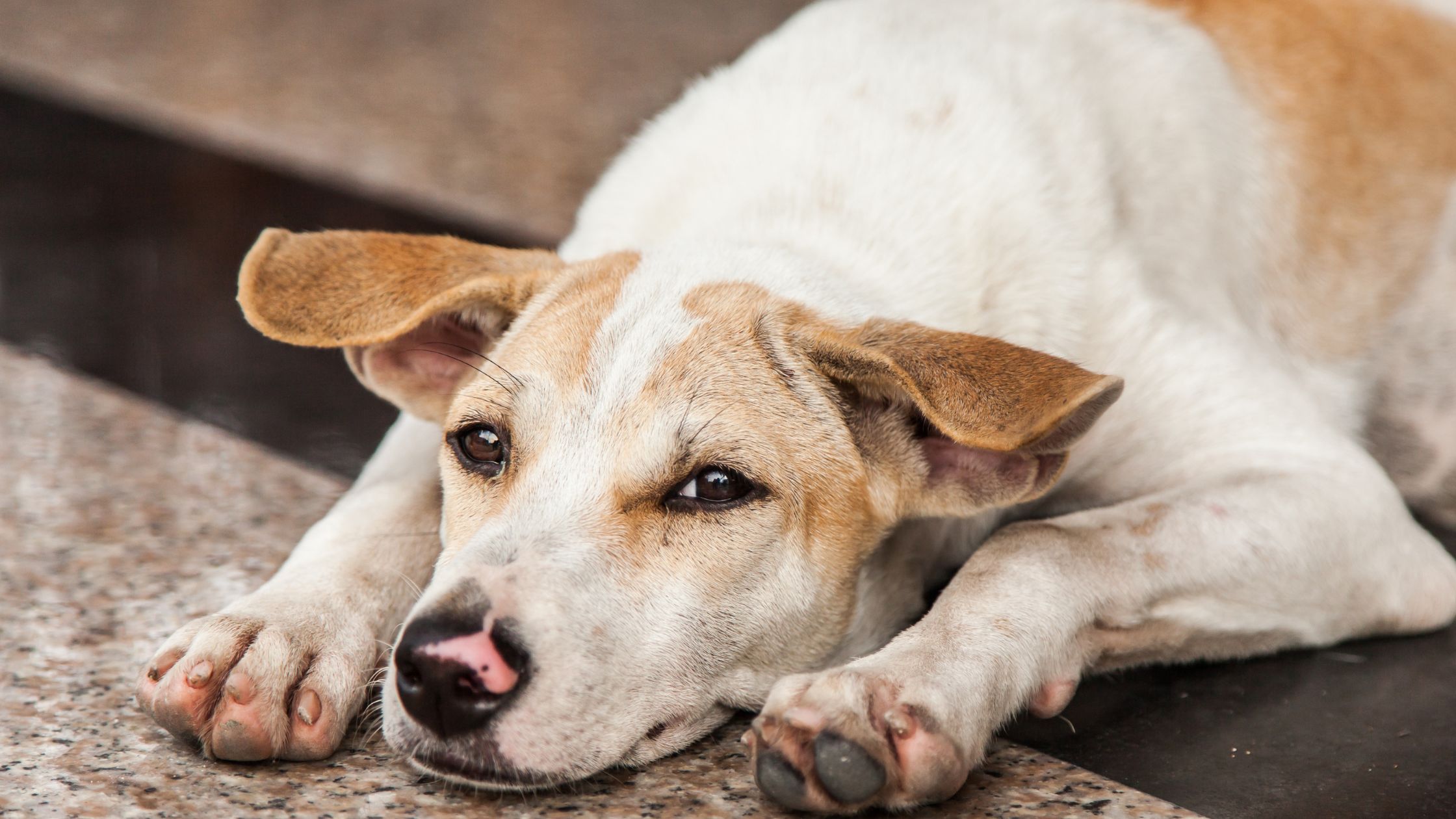
If a normally energetic dog becomes apathetic, sleeps more than usual, or shows no interest in playing, it may indicate health issues. In many cases, lethargy can be one of the signs that a dog is sick, often linked to fever or significant pain.
3. Vomiting or diarrhea
An occasional episode of vomiting or diarrhea can happen, but if it repeats or lasts longer than a day, it is important to contact a veterinary clinic. Ongoing digestive issues can lead to dehydration and may signal an infection or poisoning. These are clear signs that a dog is sick and can be especially dangerous for young puppies.

4. Changes in stool (blood, color, consistency)
Unusual stool color, blood in your dog’s stool, or very loose consistency may be a sign of more serious digestive system problems. These can also be signs that a dog is sick and should not be ignored.
5. Increased thirst and frequent urination
If your dog starts drinking more water than usual and urinates more often, it may be a sign of kidney disease, hormonal disorders (such as diabetes), or infections.
6. Coughing, sneezing, or breathing issues
Coughing, wheezing, or labored breathing may indicate respiratory infections, allergies, or even heart disease. If breathing becomes very rapid or difficult, it’s important to seek veterinary care without delay.
7. Changes in skin or coat (itching, hair loss)
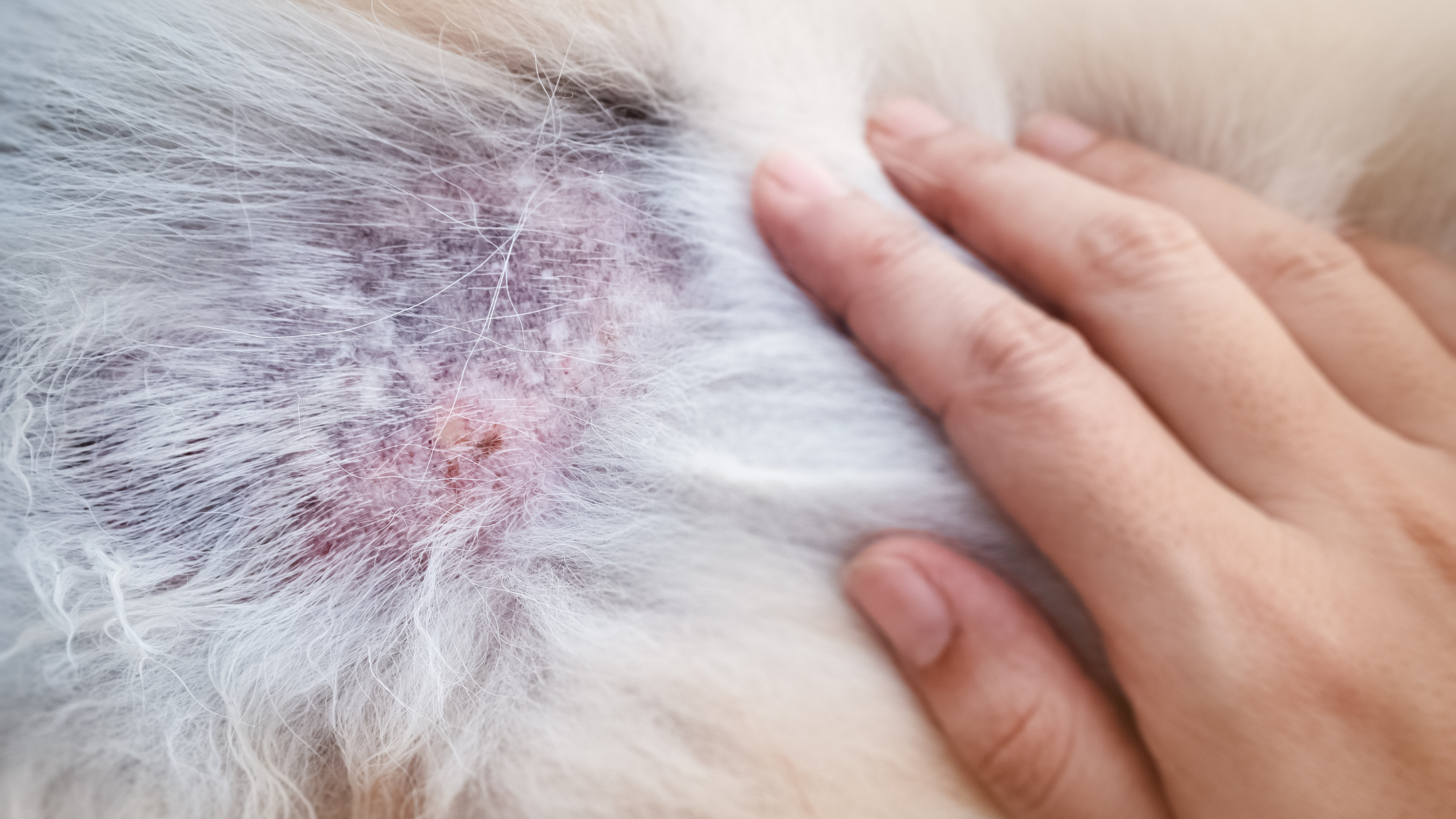
A healthy dog’s coat is usually shiny and clean. Sudden hair loss, redness of the skin, dandruff, or constant scratching may indicate allergies, parasites, or skin conditions. Changes in the skin barrier can also be a sign of endocrine disorders and may be signs that a dog is sick.
8. Discharge from ears or eyes
Signs that a dog is sick can include discharge from the ears or eyes, as well as redness, swelling, or an unpleasant odor. These symptoms may indicate an infection or allergies.
9. Signs of pain (limping, avoiding touch)
A dog in pain may start limping, avoid climbing stairs, or resist being touched in certain areas of the body. Sometimes dogs may whine, howl, or become more irritable due to discomfort. Owners often ask what to give a dog for pain, but treatment can vary depending on the underlying cause.
10. Sudden behavior changes
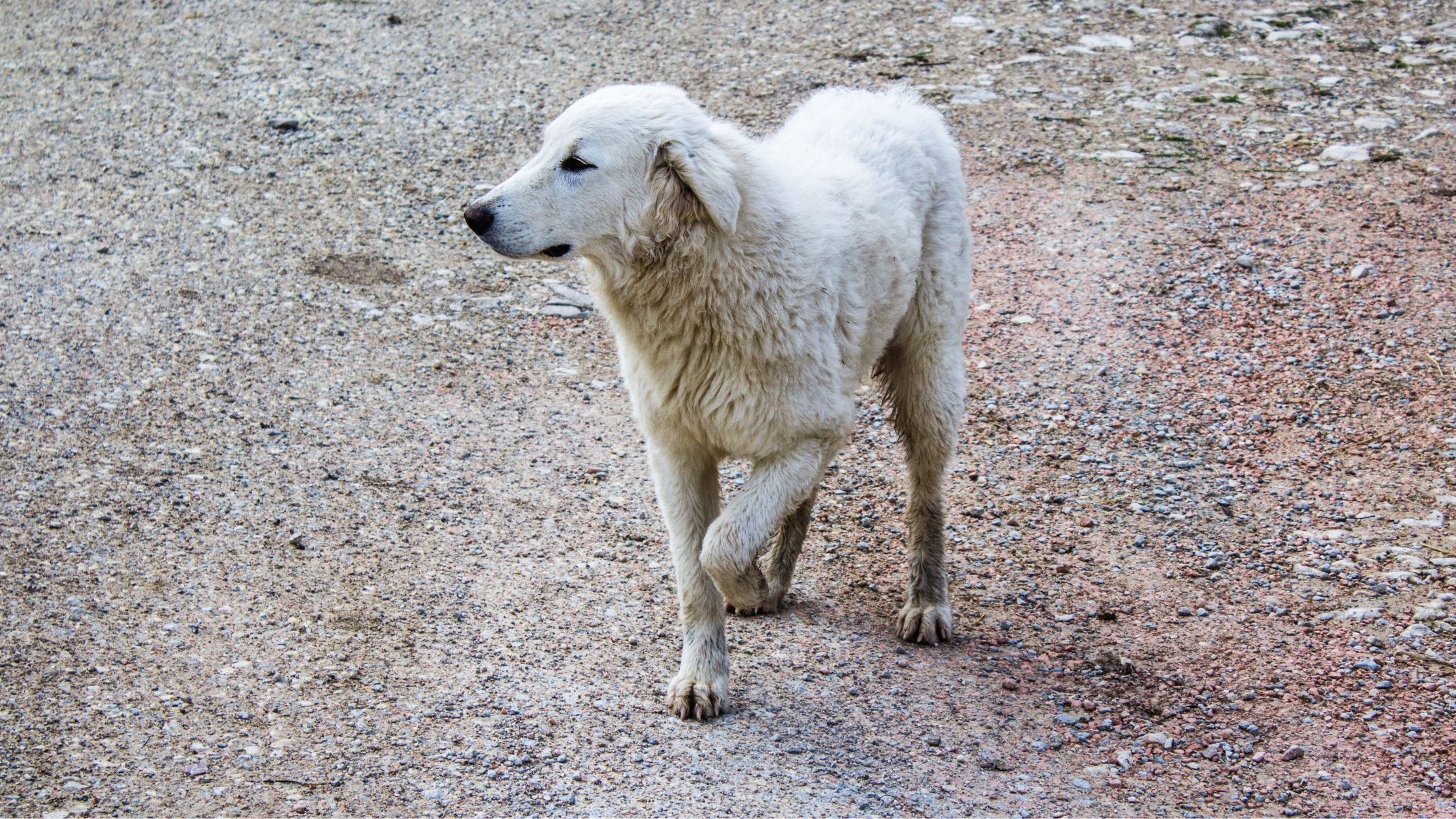
Sudden aggression, anxiety, hiding, or unwillingness to interact can also indicate that your dog is feeling unwell. Behavioral changes are often among the earliest signs that a dog is sick. Healthy, well-feeling dogs rarely show sudden aggression toward their owners.
When should you seek urgent veterinary care?
Signs that a dog is sick can vary widely, but the most important thing is not to ignore them. Some symptoms can be serious and require immediate veterinary attention.
Contact a veterinary clinic right away if you notice:
- persistent or severe vomiting or diarrhea,
- difficulty breathing,
- unusual lethargy or loss of consciousness,
- blood in stool or urine,
- severe and sudden abdominal swelling,
- seizures or loss of coordination.
It is also important to consult a veterinarian if milder symptoms last longer than one or two days. A quick response can help prevent serious complications.
Regularly monitoring your dog’s daily routine, behavior, and overall health helps you notice problems early. Veterinarians often emphasize that early diagnosis can help your dog live a longer and healthier life.
 Vet. gydytojas Robert