



Signs your dog has worms usually show up as digestive issues, behavioral changes, or visible parasites in their stool. You should see a vet as soon as you notice these symptoms, especially if they recur or worsen. Even a well-cared-for pet can become infected, so it’s important to spot the first signs early.
These signs can be subtle, so this article briefly and clearly explains how to recognize them and when to take action.
Table of contents
Visible signs: the most obvious warning indicators
The first signs your dog has worms are often the ones you can see for yourself — and they’re also the easiest to act on. The most telling include worms in your dog’s stool, segments stuck around the rear end, and scooting. Here’s a closer look at each.
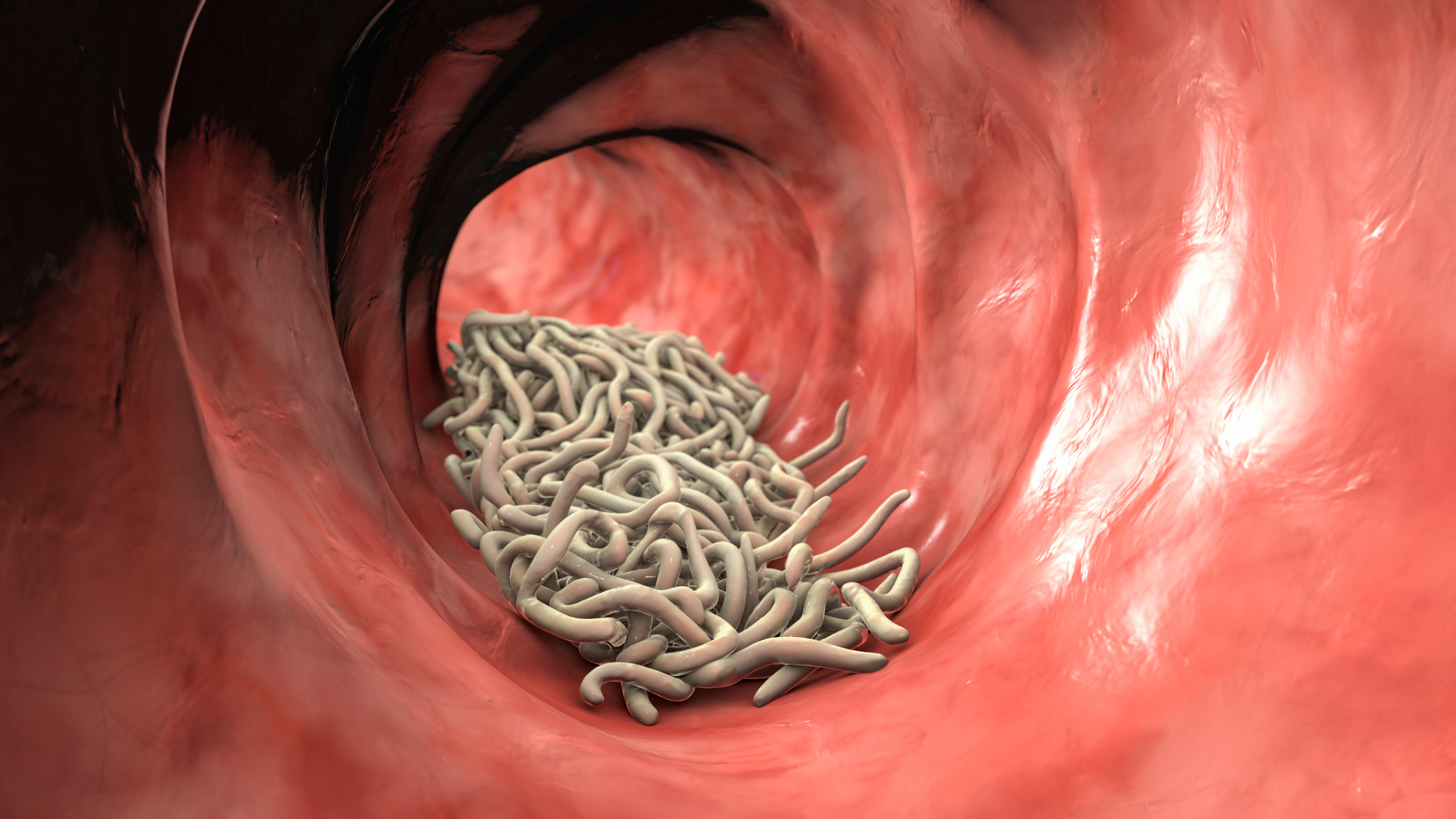
What worms look like in your dog’s stool?
The clearest red flag is actually spotting worms in your dog’s stool — or sometimes in their vomit:
- They typically look like off-white or yellowish, spaghetti-like strands. These are usually roundworms.
- You might also notice small, white, rectangular segments. Those are typically tapeworms.
That said, not every type of dog worm is visible to the naked eye — some can only be picked up through lab tests. A clean-looking stool doesn’t rule out an infection
Segments around the rear, in the bed, or in the coat
Tapeworms shed small segments that look like grains of rice — one of the easiest signs to spot. You’ll usually find them:
- around your dog’s bottom;
- in the coat under the tail;
- in their bed;
- in their stool.
Scooting and itching around the bottom
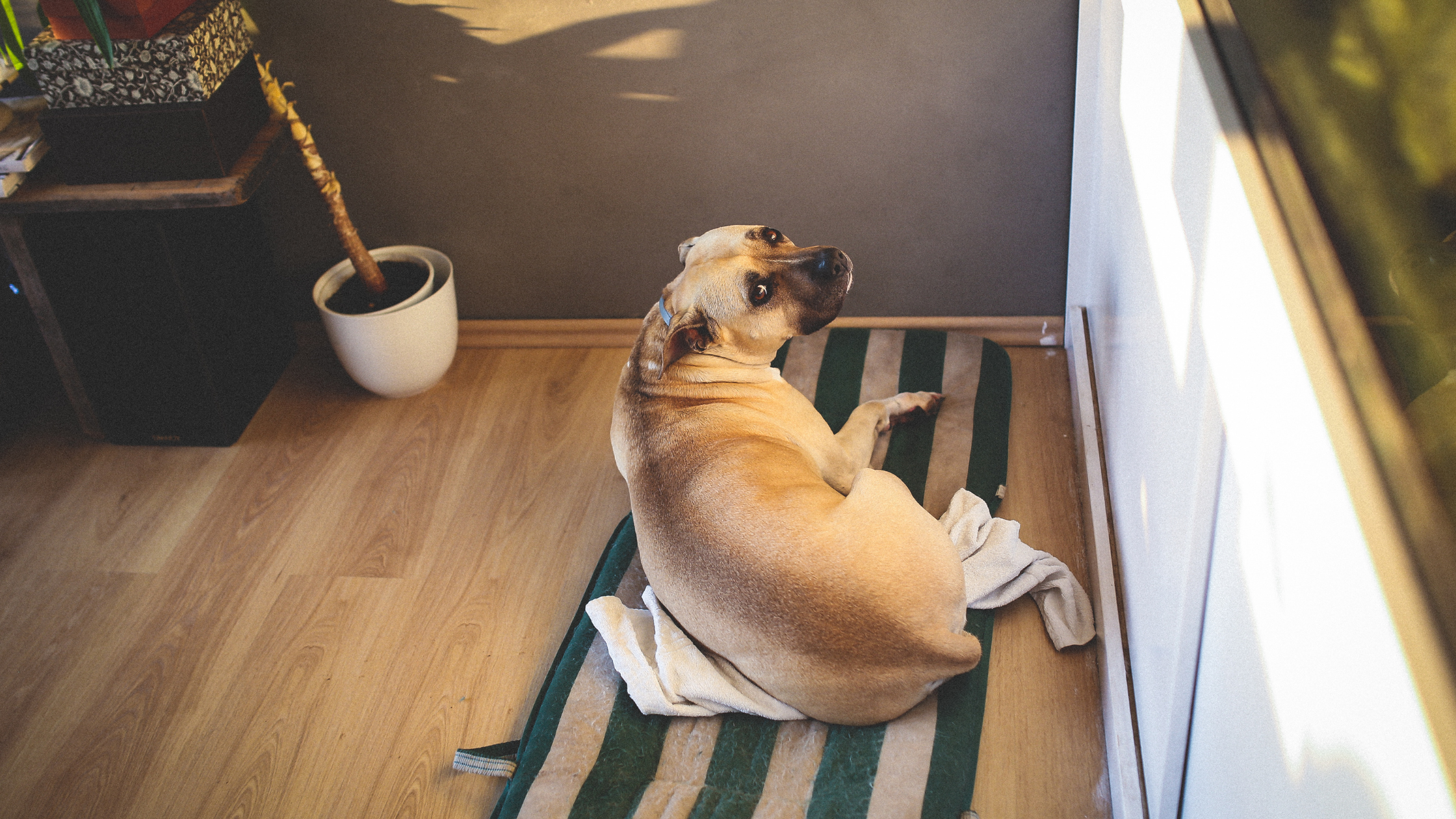
If your dog starts dragging their bottom across the floor or carpet, or chewing and licking at the tail area, that’s discomfort talking — parasites cause skin irritation and itching that’s hard to ignore.
Changes in behavior and appearance
Some of the earliest signs come down to how your dog acts and looks. The main ones are weight loss, a bloated belly, lethargy, and a dull, shedding coat.
Weight loss despite a normal or growing appetite
If your dog is eating like usual — or even more — but still losing weight, that’s one of the strongest signs of a worm infection. The reason is simple: parasites take the nutrients before their body can absorb them.
A bloated belly (especially in puppies)
A swollen, distended belly is a common sign, especially in puppies. The cause is usually a heavy worm load in the gut and disrupted digestion.
Lethargy, fatigue, lower activity
If a normally active dog starts moving slower, sleeping more, and losing interest in play, it often points to a body that’s running on empty. Worms drain nutrients, which means weight loss on one end and a clear drop in energy on the other.
Dull coat and increased shedding
Notice your dog’s coat going dry, losing its shine, or shedding more than usual? That can be another sign that nutrients aren’t getting where they need to go — whether from internal worms or external parasites.

Digestive issues
Stomach problems like diarrhea and vomiting are some of the most obvious signs owners notice.
Diarrhea or vomiting
Worms can cause vomiting, diarrhea, or softer-than-usual stool. In heavier infestations, you may even see blood or mucus in the stool. Either is a clear cue to call your vet.
Dangerous symptoms — when to call the vet right away
Some symptoms are urgent. If you see them, don’t wait — get to a vet straight away. The two biggest red flags are blood in the stool and a persistent cough.
- Blood in the stool: bloody stool can point to serious damage in the intestines. It’s a symptom you can’t afford to ignore.
- Coughing (lungworms): less common in Lithuania, but worm-related coughing does happen. Some worm species migrate through the lungs as part of their life cycle. A cough that won’t go away can be linked to parasites and warrants further testing for both heartworm and lungworm. Left untreated, that cough can develop into pneumonia.
When should you see a vet?
If you spot even one of the symptoms above, it’s worth moving quickly. Make a vet appointment if:
- you see worms or worm segments in the stool,
- around the anus, or under the tail;
- diarrhea or vomiting lasts more than a day;
- you notice weight loss;
- your dog seems unusually sluggish;
- there’s blood in the stool.
Preventive testing and regular deworming are the best safeguard against dog worms — and that holds true even when there are no visible symptoms, since an infection can be silent.
How can you protect your dog from worms?
Prevention is by far the most effective way to keep your pet safe. The team at Begemotas Veterinary Clinic recommends:
- giving worm medication on a regular schedule;
- staying on top of flea control;
- picking up your dog’s stool promptly;
- avoiding contact with wild animals;
- coming in for regular vet check-ups.
The bottom line: catch the signs of a worm infection early, take them seriously, stay consistent with prevention, and remember that even a dog who looks perfectly healthy can be carrying parasites.
If you notice anything that worries you, suspect an infection, or simply aren’t sure how often you should be deworming — don’t put it off. Talk to a vet.
The team at Begemotas Veterinary Clinics is here to answer your questions, help diagnose the issue, and make sure your pet stays healthy and parasite-free. Get in touch — a single consultation can save you from much bigger health problems down the line.


 Vet. gydytojas Robert