

Rhinotracheitis is one of the most common and dangerous upper respiratory infections in cats, also known as cat flu. This disease can affect cats of any age, but kittens and cats with weakened immune systems are usually affected the most severely.
Because cat rhinotracheitis spreads very quickly, it is important to recognize the early symptoms, possible complications, treatment options, and prevention methods. Below, we’ll cover everything every cat owner should know.
Table of contents
What is feline rhinotracheitis?
Rhinotracheitis (cat flu) is an upper respiratory infection most commonly caused by feline herpesvirus (FHV-1). This cat disease affects a cat’s nose, throat, and eyes, and can lead to serious breathing difficulties.¹
Other infectious agents that may contribute to the disease complex include:
- Feline calicivirus (FCV);
- Chlamydia felis;
- Mycoplasma felis.
Due to the combination of these pathogens, cat rhinotracheitis can range from mild to moderate, or progress into a severe and long-term condition.
Important: the virus can remain in the body for life and reactivate during periods of stress.
Symptoms of cat rhinotracheitis
The main symptoms of rhinotracheitis affect the respiratory tract and eyes. Mild cases may last only a few days, while severe cases can continue for weeks or lead to complications.
Main symptoms of rhinotracheitis
In milder cases, the following symptoms may occur:
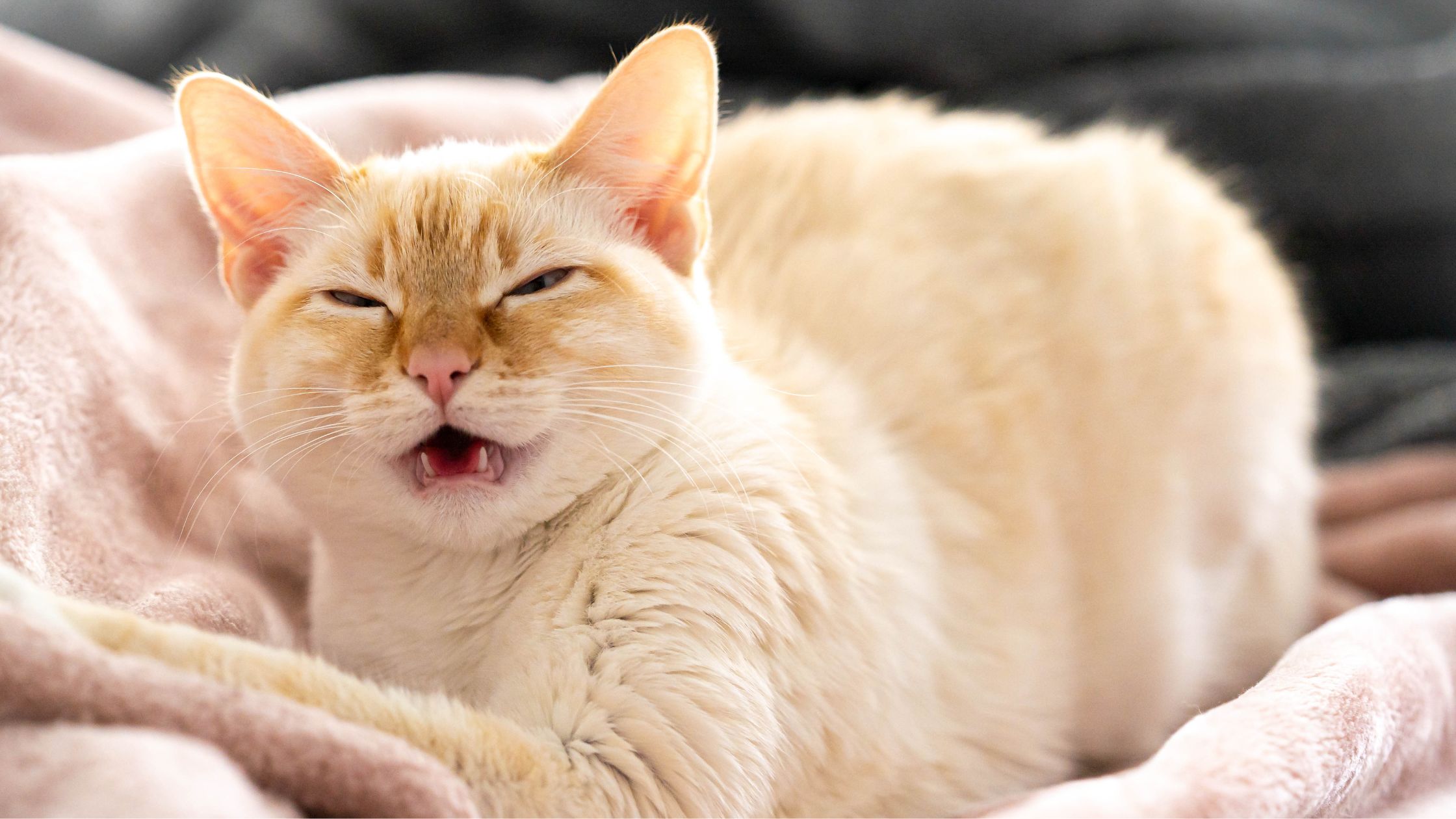
- Frequent sneezing;
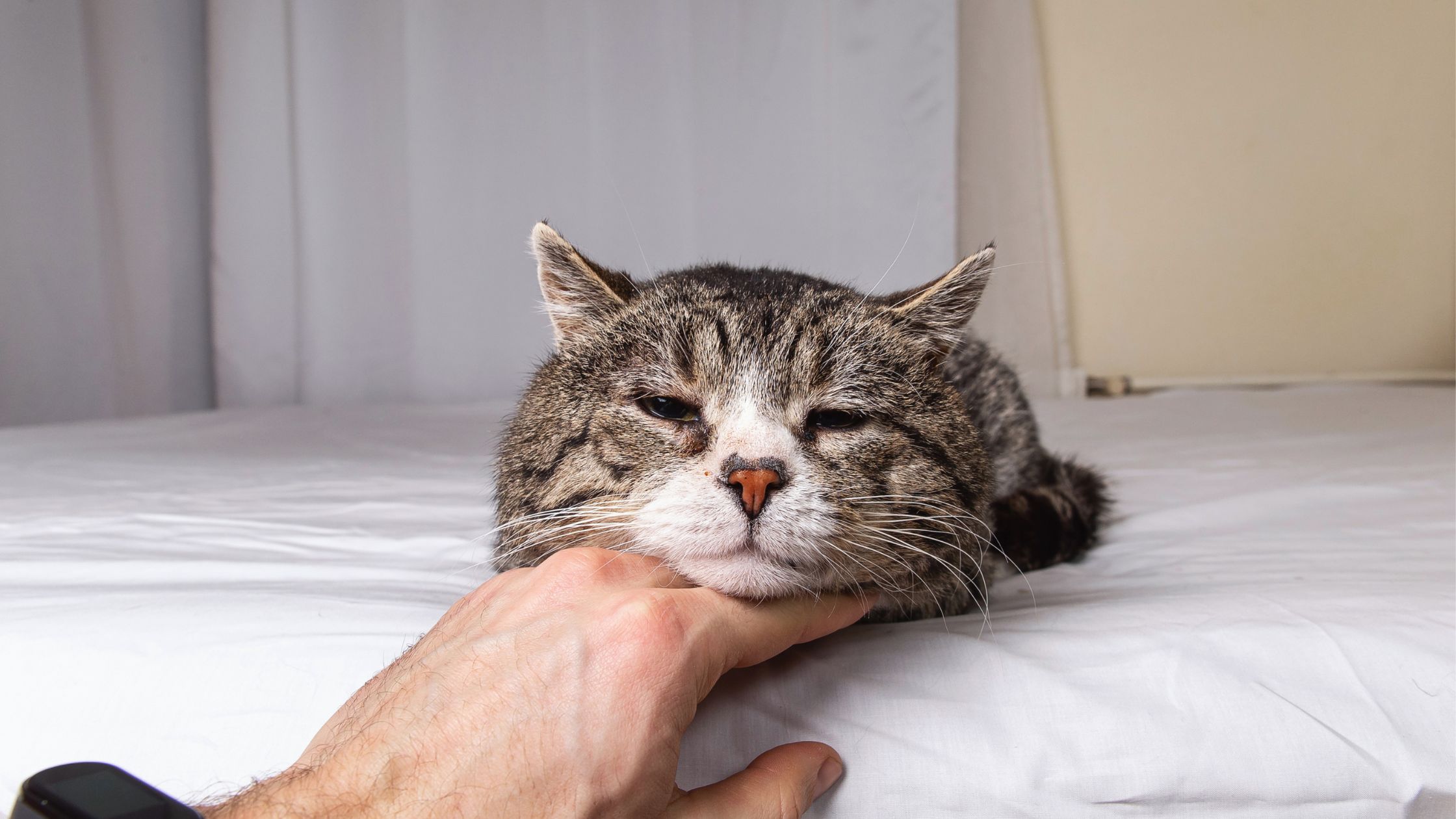
- Runny nose (clear or pus-like discharge);
- Watery eyes and conjunctivitis;
- Fever;
- Loss of appetite;
- Excessive drooling;
- Coughing and difficulty breathing;
- Mouth or tongue ulcers (common with calicivirus);
- Keratitis or eye ulcers (common with herpesvirus).
Severe symptoms and possible complications
Untreated or advanced rhinotracheitis can cause more serious clinical signs, including:
- Lethargy;
- Respiratory distress;
- Dehydration;
- Pneumonia;
- Chronic eye problems or scarring.
Symptoms can vary greatly depending on the infectious agent, and viral rhinotracheitis in cats often occurs as a mixed infection, meaning symptoms may overlap. (Source: Journal of Feline Medicine & Surgery, 2009)
Cat rhinotracheitis treatment: how to help your cat recover?
Cat rhinotracheitis treatment is usually comprehensive and combines medications, supportive care, and stress-reduction measures. Proper treatment helps cats recover faster and reduces the risk of complications.
Veterinary treatment and medications
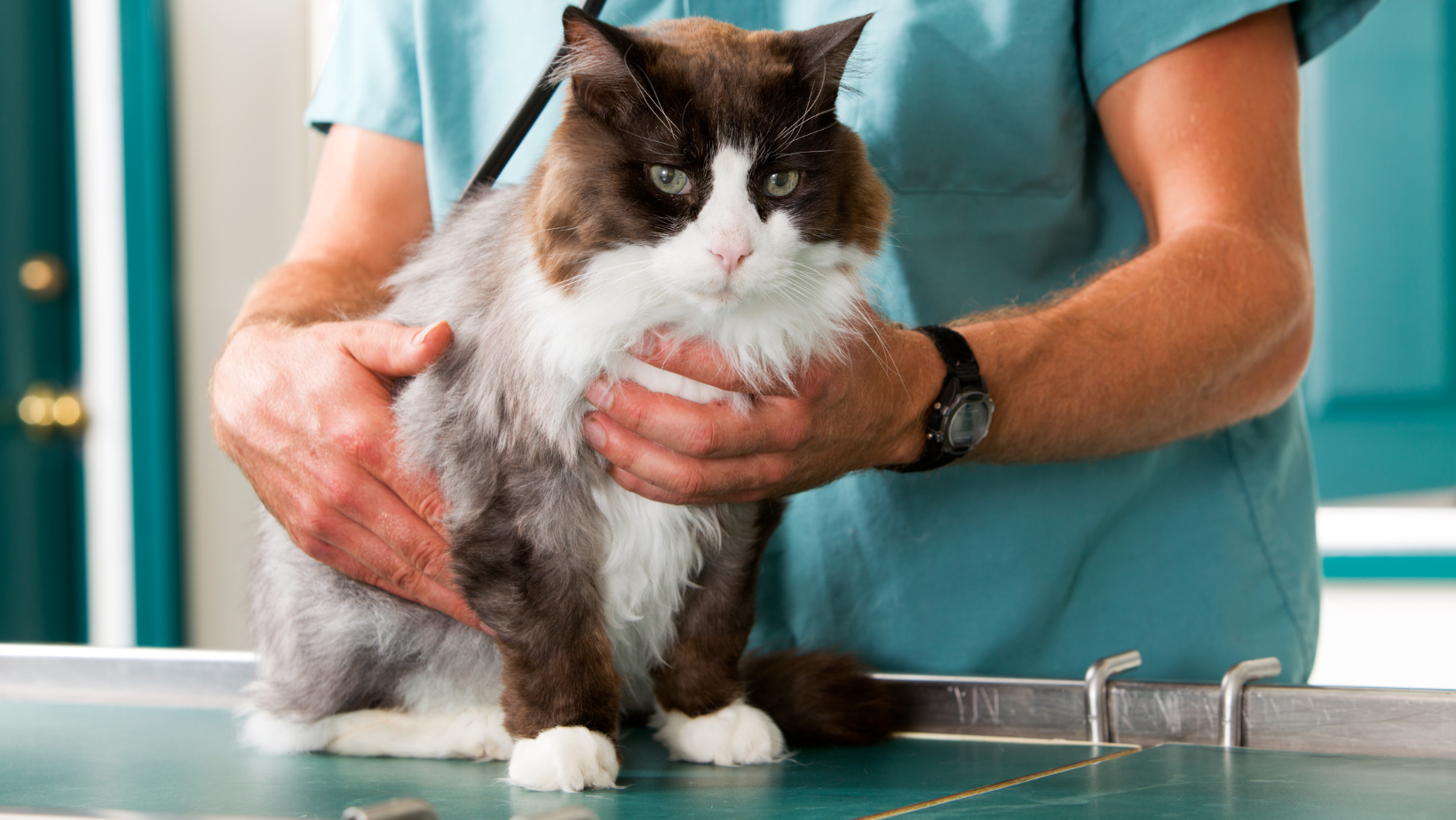
In most cases, veterinary examination and medical treatment are necessary. Depending on the severity of the disease and the pathogens involved, treatment may include:
- Antibiotics (if a bacterial infection is present);
- Antiviral ointments or eye drops;
- Immune-support supplements and L-lysine;
- Anti-inflammatory medications to ease breathing;
- Fluid therapy if the cat refuses to eat or drink.
Supportive care at home
To ensure that feline infectious rhinotracheitis treatment is effective, it is important to:
- Clean discharge from the nose and eyes;
- Humidify the air or use steam inhalation;
- Offer warm, aromatic food (cats with nasal congestion often lose their sense of smell);
- Provide a calm environment and reduce stress.
Some cats may require tube feeding if they completely refuse food.
How to protect your cat from rhinotracheitis (cat flu)?
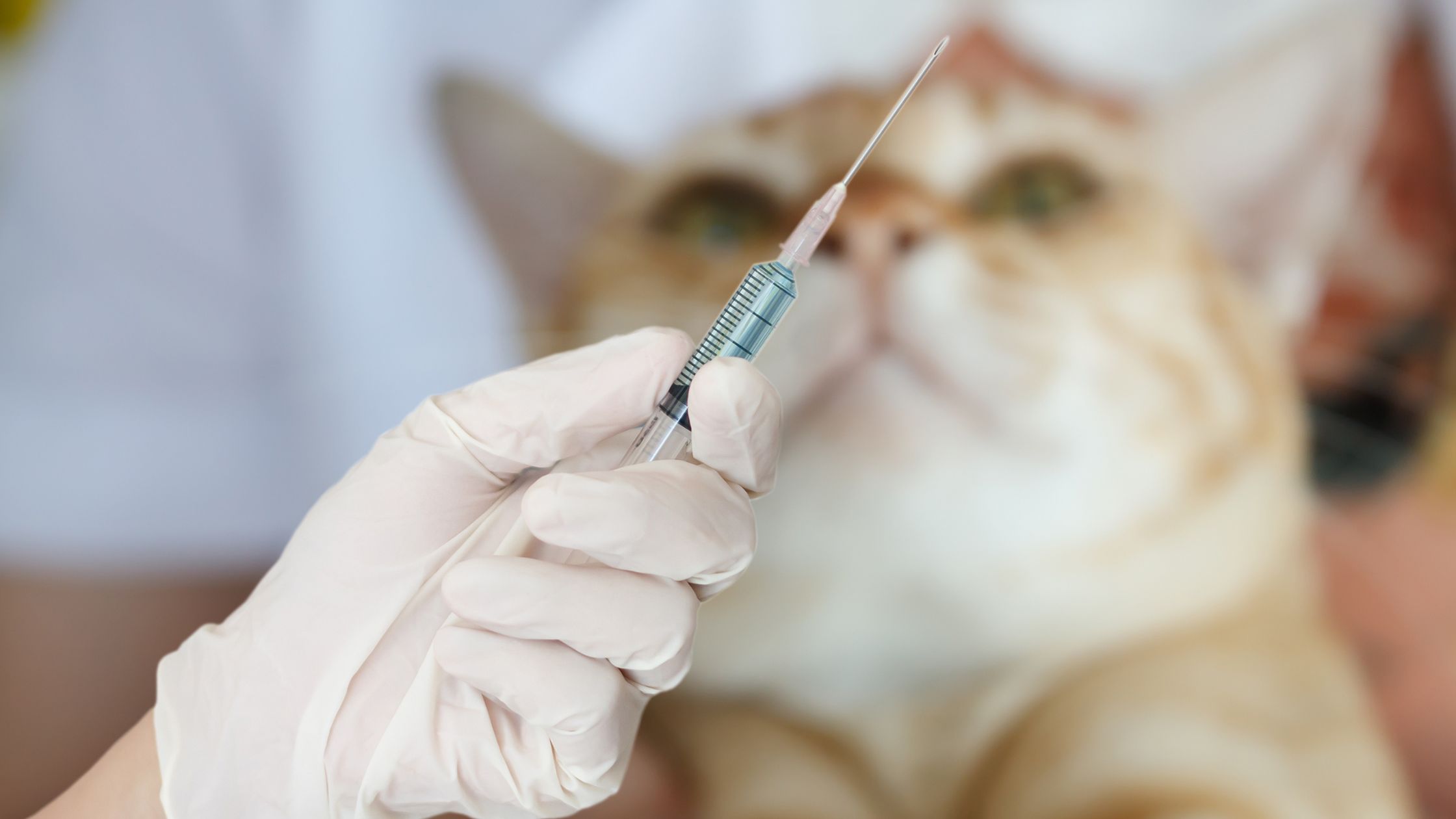
The best prevention methods are vaccination and proper hygiene. Although it is impossible to completely eliminate the risk of infection, the severity and likelihood of illness can be significantly reduced.
Preventive measures:
- Regular vaccinations — the most important and effective protection against viral diseases in cats;
- Keeping healthy cats separated from infected animals;
- Regular ventilation of indoor spaces;
- Disinfection of surfaces;
- Stress reduction (stable routine and safe environment).
Vaccines do not provide 100% protection, but they significantly reduce the severity of symptoms.
When should you visit a veterinarian?
Rhinotracheitis in cats can progress very quickly, so it is important to seek veterinary care in time. You should contact a veterinarian immediately if you notice at least one of the following symptoms:
- The cat stops eating for more than 24 hours;
- Difficulty breathing;
- Thick or pus-like discharge from the eyes or nose;
- Fever; Severe lethargy;
- Mouth ulcers preventing the cat from eating;
- Any other signs that cat rhinotracheitis is worsening.
Complications develop much faster in kittens and elderly cats, making delays especially dangerous.
Why is early veterinary care important?
If you notice signs that your cat may have rhinotracheitis, do not wait for the condition to worsen. This disease progresses quickly, and early treatment can make all the difference. Do not delay — schedule a consultation for your pet at the “Begemotas” veterinary clinic in Vilnius or Širvintos.
Our veterinarians will perform a thorough examination, assess potential risks, and create the most effective treatment plan for your cat to ensure a faster and safer recovery. Maintain proper hygiene, monitor symptoms carefully, and we will take care of the rest.
Sources:
- Barlough JE, Gillespie JH, Scott FW, Timoney JF. Hagan and Bruner’s Microbiology and Infectious Diseases of Domestic Animals. Cornell University Press, 1988.
- Thiry E, Addie D, Belák S, Boucraut-Baralon C, Egberink H, Frymus T, et al. Feline herpesvirus infection. ABCD guidelines on prevention and management. Journal of Feline Medicine & Surgery, 2009.

 Vet. gydytojas Robert